ACRE
Artists’ Cooperative Residency and Exhibitions
An interview with Emily Green by Mary Duke
Can you briefly describe ACRE for us?
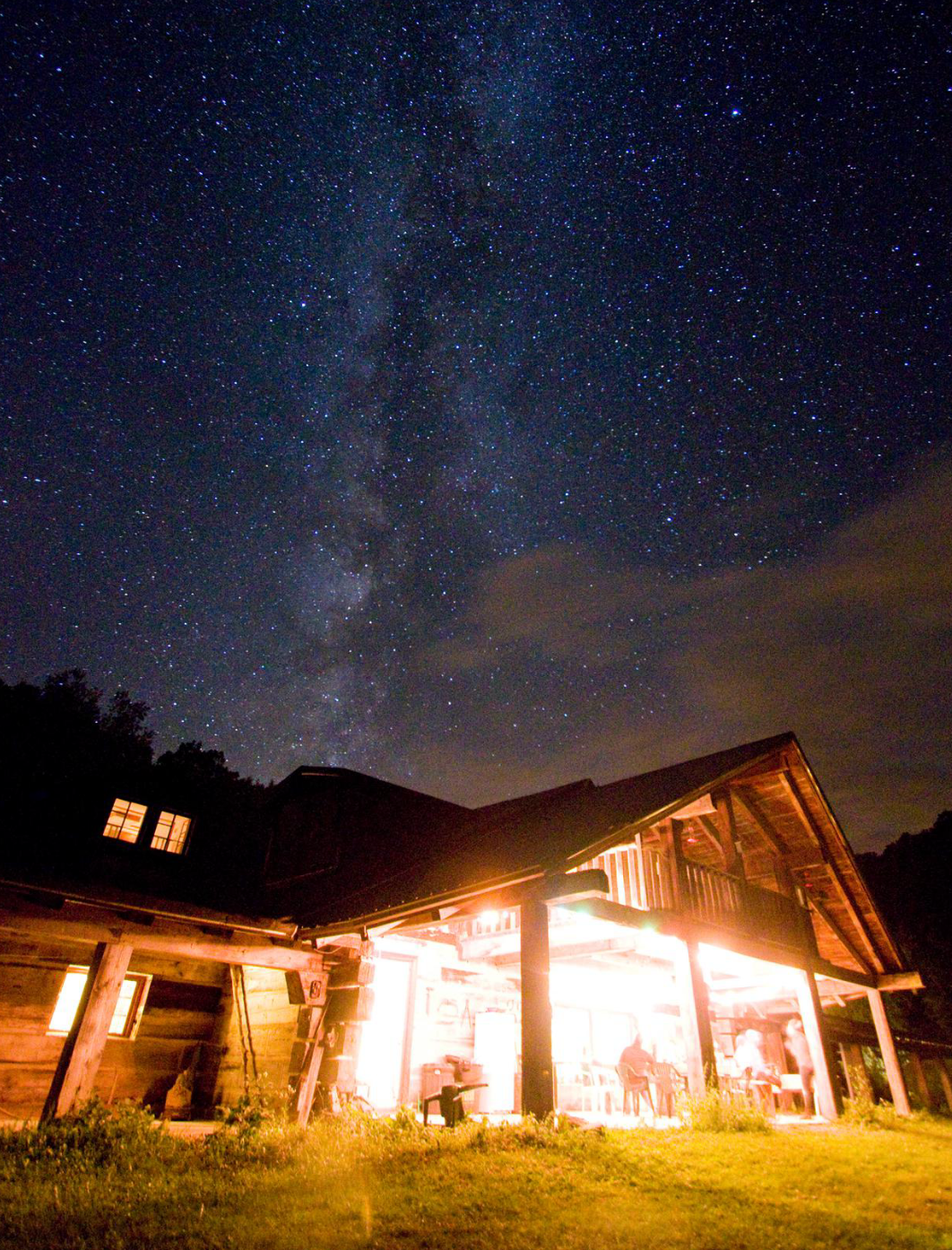
ACRE is an artist-run project that developed out of my and my collaborators’ own experience of exiting the structure of an academic institution and feeling a loss of support and a lack of opportunities for artists at that stage in our careers. We developed the summer residency program that takes place in Southwest Wisconsin specifically for emerging artists in an effort to create a supportive, expansive and evolving community of artists and creatives.
Complimenting the residency experience is an exhibitions program based in Chicago that takes place during the rest of the year. This program provides an exhibition opportunity for each resident while maintaining the community that is created through the residency. Additionally, ACRE works to connect our residents with other opportunities such as participating in art fairs and other special projects.
What five works of art best describe the spirit of the organization?
During the very first year of the residency, artist Erik Peterson organized a softball game in which participants were required to make their own bats and balls. It was a piece that was participatory, collaborative and playful and really evoked the spirit of collaboration and community that is a big part of the residency experience.
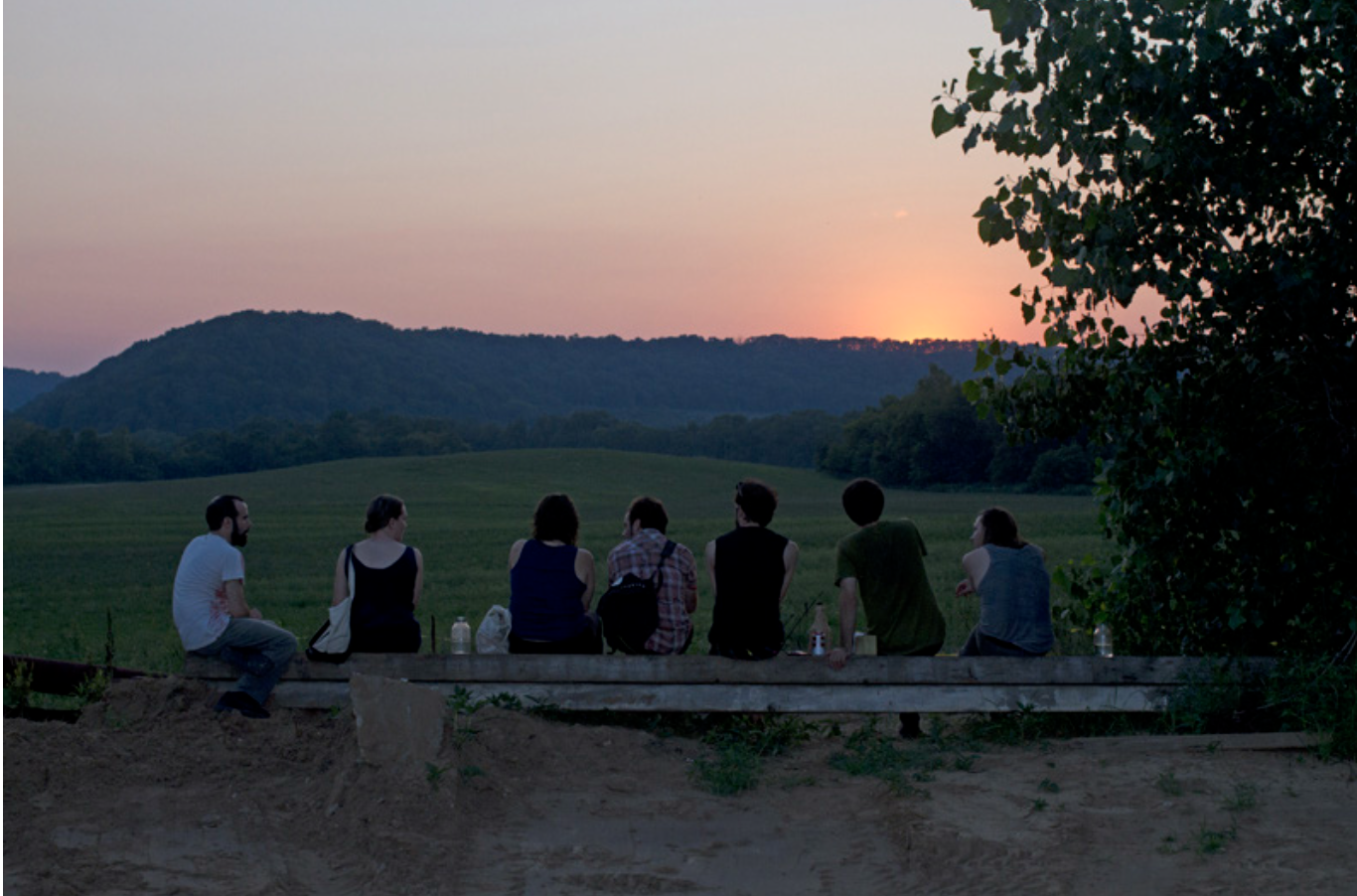
In 2011, Montgomery Kim built a platform based on a traditional Korean picnic platform. It is a very beautiful, well-crafted structure that is still used by us every summer as a gathering space. The sentiment of creating objects or structures to enhance the property and existing facilities seems to come up often.
Last year, Laura Hart Newlon and Hilary Baldwin met each other at ACRE and they collaborated on a piece that would ultimately be permanent at the site of the residency. They built frame like structures and wrapped them in PVC flagging tape. Their process was very intuitive and experimental and it wasn’t until they actually started working that they realized the wind’s interaction with the piece was creating really interesting sounds and movements. The piece eventually took the form of a video. I love this piece because of the collaborative aspect but also the interaction with the environment and the experimental approach. The residency sessions are rather short and designed that way to be accessible to artists who often aren’t able to leave their regular lives for too long. That means that a lot of projects at ACRE are quick and experimental.
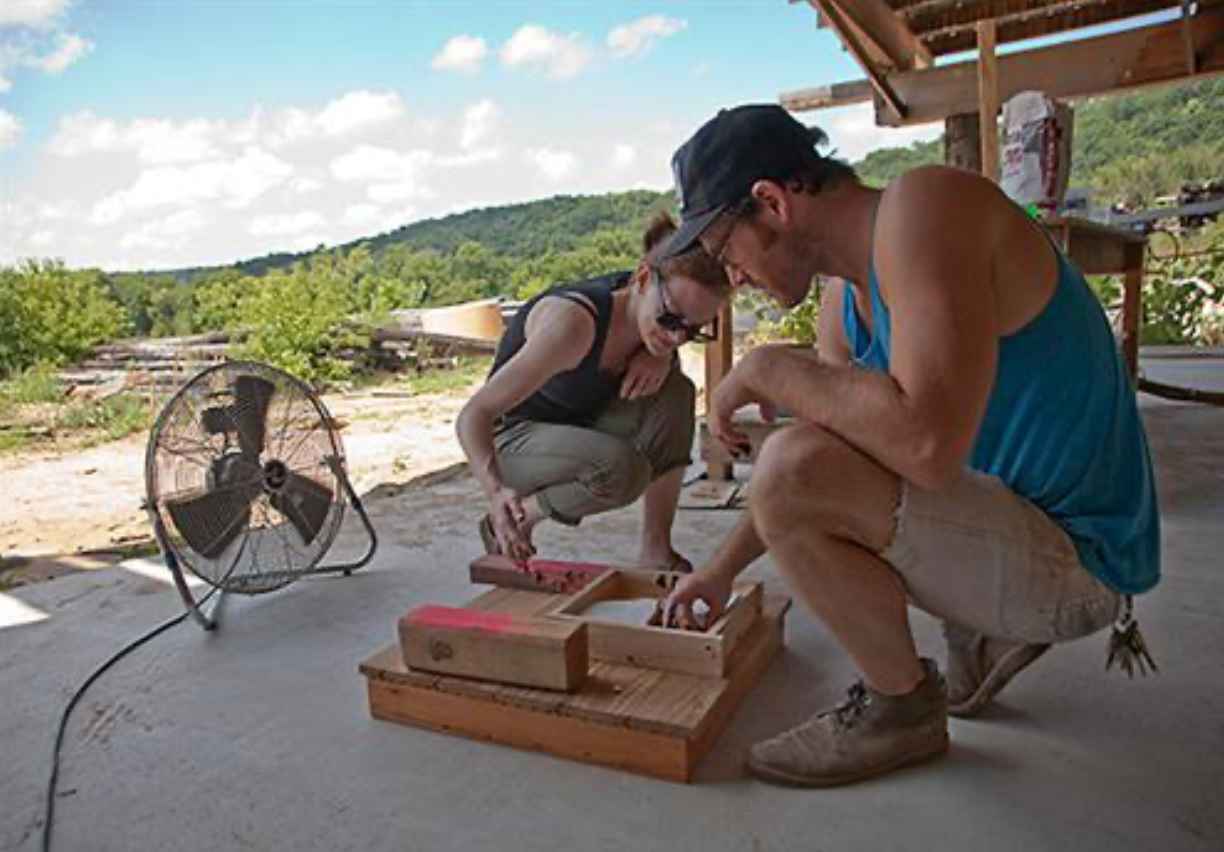
This summer Colin Dickson created a monumental installation on the grounds of the residency. He placed 3 large beams zigzagged over one of the creeks that dot the landscape. The structure is meant to be interacted with and acts as a sort of abstract bridge. He completed the project using the on-site woodshop and materials found at the property. The owners of the property are in the salvage business and have a huge collection of salvaged mate- rials and wood that they often allow us to use.
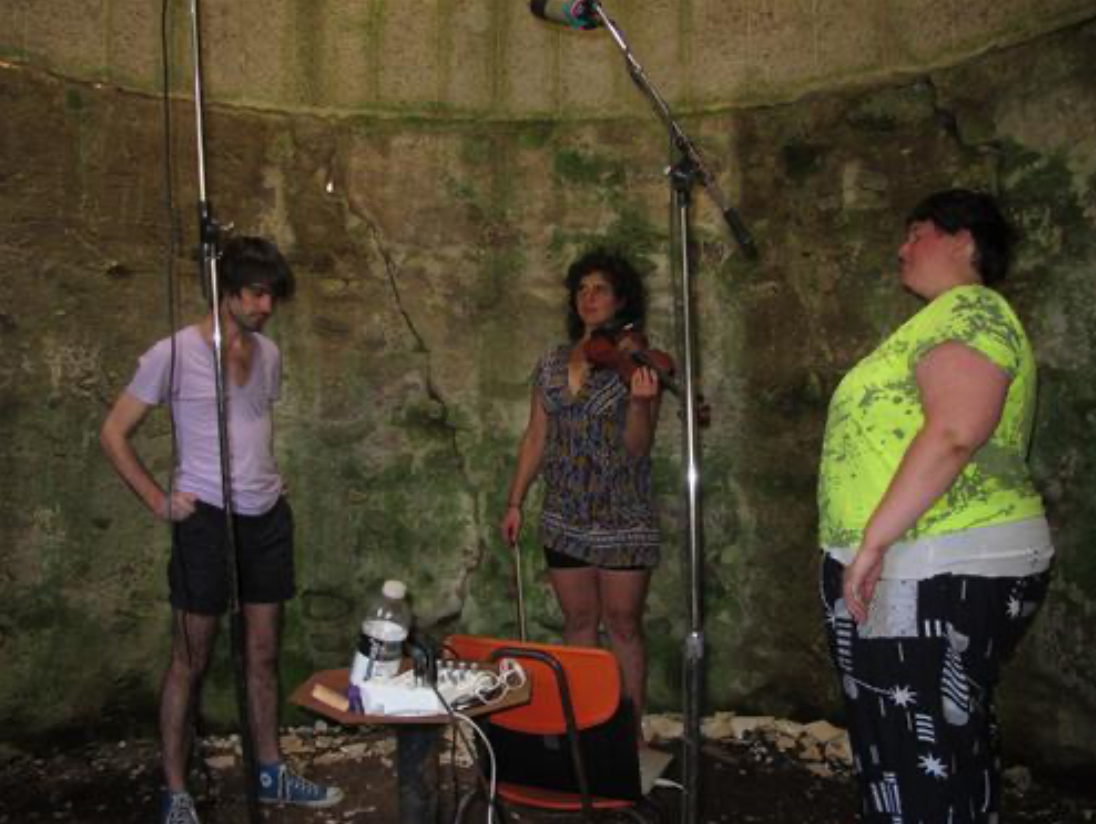
ACRE takes place in a very rural area and interacting with the locals is encouraged. This summer, Barbara Diener created an installation in an abandoned silo on the property that involved a recording of a hymn sung by a local choir. Barbara invited the choir from the nearby town of Boscobel to come and use our recording studio. She then built a miniature pew and created a holy space for reflection inside the silo structure.
The 12-day residency program hosts about 25-30 artists. Can you paint a picture of what those twelve days might look like or involve?
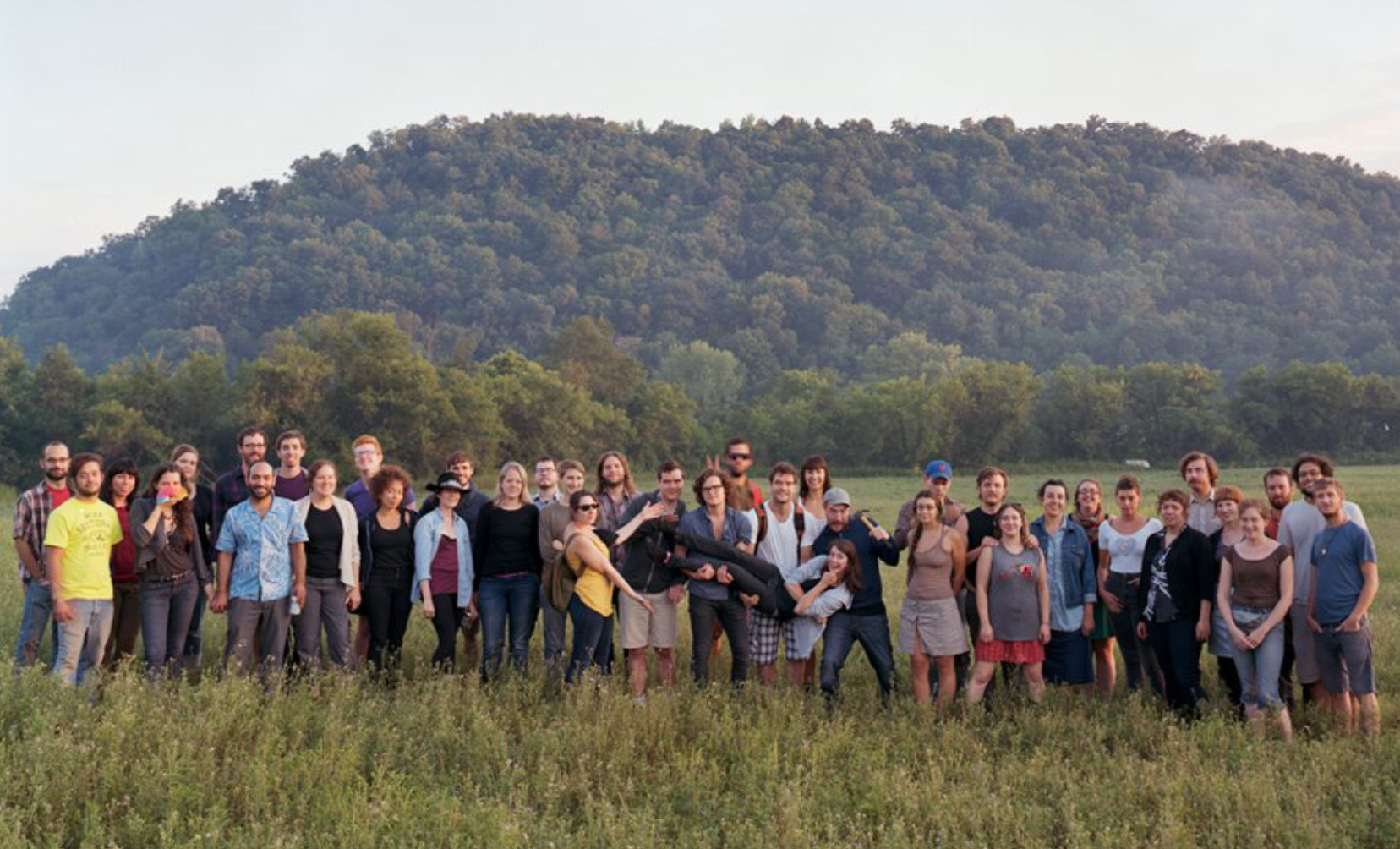
The first few days tend to involve the residents settling in and getting used to their new environment, which includes tours and an orientation on the very first day. Also on the first night we organize a “show-n-tell” in which each resident and staff member projects one image and is asked to give a brief introduction to their practice and what they plan to work on during the residency. Residents are encouraged to find a work space in one of a number of studios or work areas if they choose or to utilize the landscape and local community. Staff give orientations for each facility including the recording studio, wood shop, screen print studio and A/V tech cabin and work with residents to secure materials or permission for installations on the property. Each session there are two groups of 2-3 visiting artists invited- one at the beginning of the session and one about half way through the session- who are available for studio visits. Throughout the course of the session optional programming is scheduled, mostly after dinner, which include visiting artist lectures, workshops, concerts and other participatory activities. Residents are also encouraged to organize or develop their own programming to add to the existing schedule. Days are filled with working in the studios and facilities, participatory projects, studio visits, trips to the Kickapoo River for swimming and tubing, hikes around the property and after the evening programming, campfires and dancing. Toward the end of the session residents tend to be working hard to finish projects and for the first time this year, we instituted an open studio day on the last day in which everyone was encouraged to visit each other’s work spaces to see what they all had been working on. Of course we end with a big party on the last night to celebrate a great couple weeks together.
Can you describe the residency application and selection process?
The application is found on our website and is completed online. We ask for work samples up to 20 images or documents or 5 minutes of time-based work- and a brief written portion describing what the artist would work on at the residency. We don’t hold anyone to their proposal, but we want to see what sort of project they might work on and that they are coming into the residency with some ideas already formulated. There is a $25 application fee and the deadline is in mid-April. We have a large admissions panel made up of established artists, curators, gallerists, critics and professors mostly based in Chicago, but also from throughout the country. Panelists are expected to review at least 100 of the applications making it so each application is scored by at least 20 panelists. Scores are then averaged and applicants are accepted for the number of slots we have open. There is also a section in the application to apply for a scholarship or work-study position. Unfortunately we cannot provide everyone with scholarships or discounts, but each year the number of residents paying a lower rate grows.
I think it is interesting that ACRE has a physical presence in both Illinois and Wisconsin. Can you speak to this dynamic of the organization?
Well, it is interesting in that the Wisconsin site is this sort of magical place that only exists for us in the summer and is set in this beautiful, natural environment in a really small rural town. Which completely contradicts the rest of our year spent in the city. Having this sharp contrast I think helps to do the job of creating a space that is away from everyday life which allows for a unique experience. I think the connections people make at ACRE feel stronger and deeper because of the feeling of being in a special and rare environment.
What is the exhibition portion of ACRE all about?
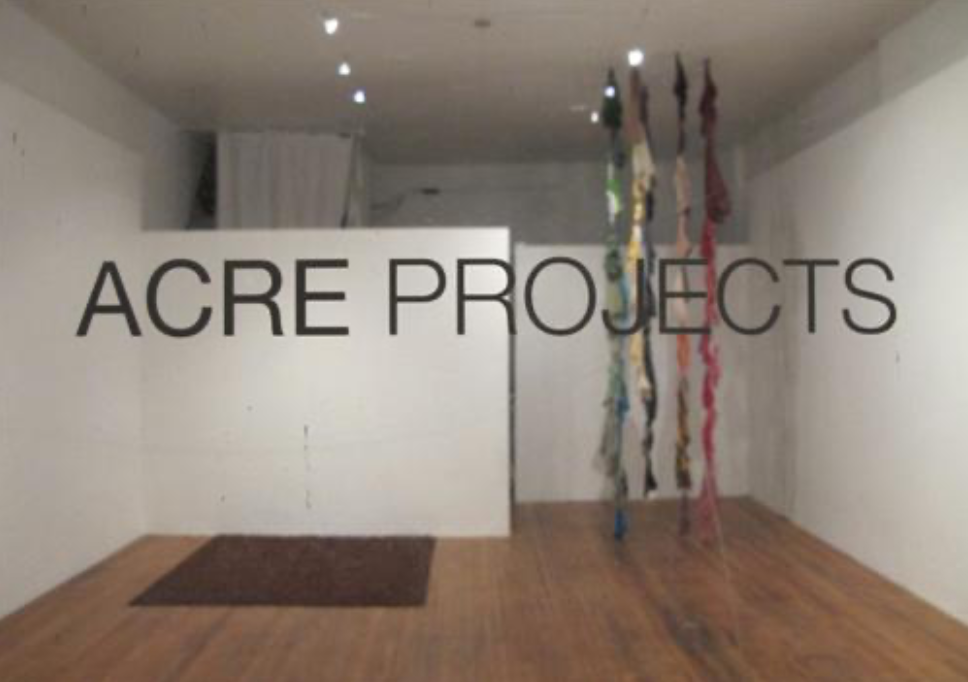
After each summer residency, we put together an exhibition program that provides each resident with a show opportunity. Residents show at either our gallery, ACRE Projects in Pilsen or at one of a number of partner galleries that we work with throughout Chicago. We see the exhibitions component not only as an opportunity that is important for artists at the emerging to mid career level in terms of experience and a line on their resume, but it also acts as an extension of sorts to the community developed at ACRE. Each show brings residents back together, but also connects them with other members of the Chicago arts community, other galleries and each gallery’s patrons, so that the community that started at the residency is constantly expanding. And hopefully expanding in a productive way- shows at ACRE Projects occur on Sunday afternoons because we feel that the atmosphere, unlike a Friday or Saturday night show, allows for more dialogue and idea exchange.
What is Flatfile? Can you explain the role it plays at ACRE?
The Flatfile is an extension of our website where we provide web space for each resident who comes through our program. They are encouraged to use this space however they want- as an actual website or space to document new work or something even more experimental. We are often approached by curators or gallerists interested in our artists and the Flatfile serves as an easy tool to share all their work. We also use it internally to curate or organize artists for opportunities and projects that come up throughout the year. And it is where documentation of their show with us is posted.
What is the biggest reward of your work with ACRE?
The biggest reward is hearing from residents about their experience at the residency. Each year things get easier and smoother and we do make a point of asking residents to respond to a survey about their time at ACRE, so that we can improve our program. But it’s those moments when artists just come up to me and tell me that their time there was so invaluable or hearing about a connection made at ACRE that lead to something bigger or seeing that we now have a waiting list for volunteer staff positions because people not only want to return, but they want to help and be a part of the team that makes it happen. It really is a very unique experience that is hard to describe without being there. A lot of residency programs provide for similar opportunities, but I think the DIY ethos, the earnest attempt at a Utopic moment, the blending of volunteer staff and residents and the focus on community really sets us apart.
Can you describe a memorable encounter you had with one (or some) of the many artists that work with ACRE?
This past year I worked one on one with Elisa Harkins to install her exhibition. It was especially poignant because she had been a returning resident each year since we began and I witnessed pretty closely the progression of her practice over the course of that time. For this particular show she was taking some risks and trying a new approach and it felt like her experience with ACRE had helped her to feel comfortable with pushing herself in that way.
Does ACRE have any plans for change and/or growth in the future?
Each year we tend to expand in some way, but we are trying to take a step back this year and work on strengthening our administrative infrastructure and expanding our resources. We want to take some larger, more focused steps toward being able to compensate our staff, which has always been volunteer. One new endeavor is to start working with galleries outside of Chicago.