Create! Eugene
Create! Eugene featured 195 art workshops in Eugene, Oregon / August 2013
Interview by Mary Morgan
Answered collaboratively by:
Brent Hanifl, Coordinator
Luke Fannin, Editor
Cat Bradley, Managing Assistant
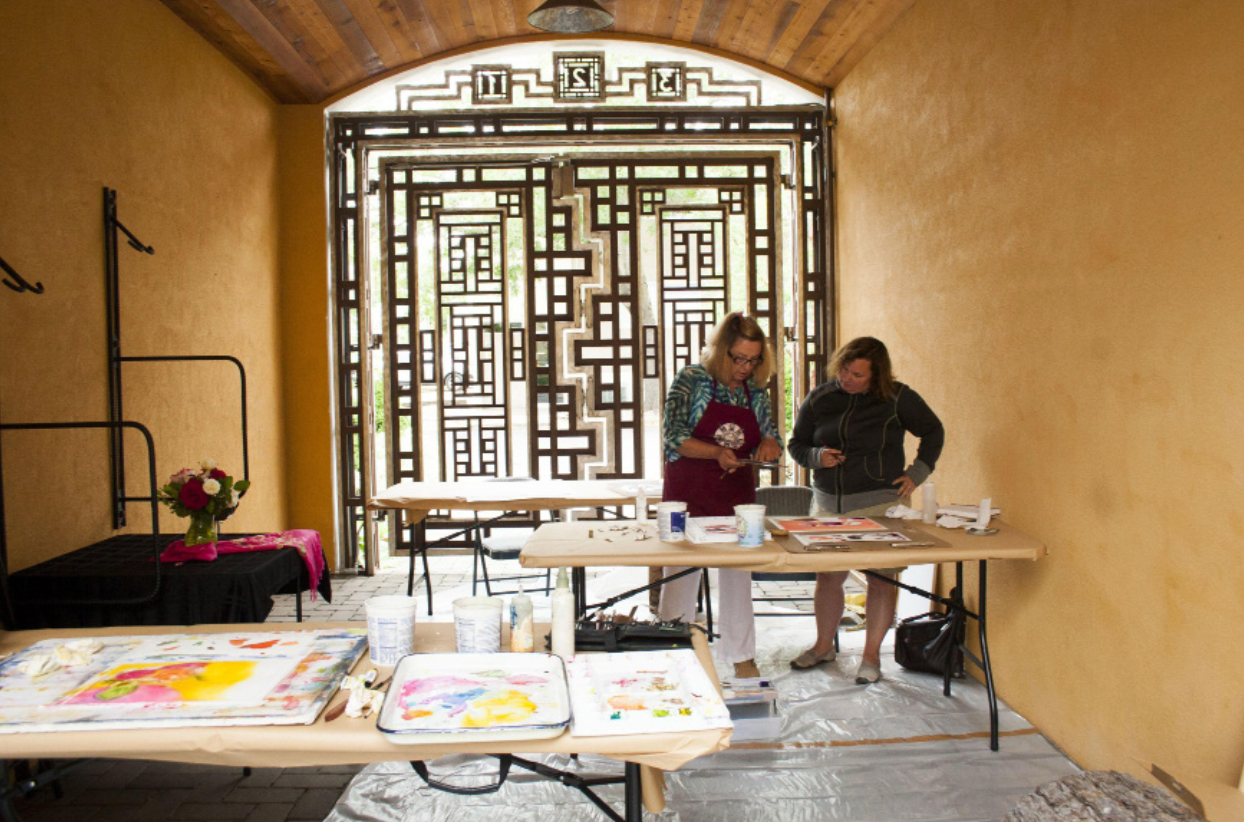
On the first day of Create! Eugene, The Arts and Business Alliance gave to me: Water color painting at The Gallery at Watershed! This workshop was on the first of August, with Cheryl Renee Long from Puget Sound, WA. The workshop concentrated on the use of light and color when working with still life.
The concept was created in part by a similar endeavor in Santa Fe. What was it like learning from that program and translating it to a Eugene event? Would you say there is creative spirit unique to specific cities?
Certainly some communities as a whole embrace and foster the arts more than others, but I also think every city has a creative spirit. In many cases it’s just waiting to be fully realized. The same can be said of individual people--very often, if a person can’t draw or paint or play an instrument, our culture teaches that person they’re not creative. But of course that’s not true; it’s just a matter of that individual having the opportunity to figure out where their creativity lies. So while it might appear that certain cities have something in the way of creative spirit that others lack, I think it’s more accurate to say every city has its own unique creative spirit, and how little or how much that spirit is developed and realized is a direct corollary of a given city’s identity.
That’s the approach we have to take with a project like Create! Eugene. We’re not looking to fundamentally change a place, but to help it take full advantage of some of its best assets. In this case it definitely helped to have a well established program like Santa Fe Creative Tourism (SFCT) to use as a template for Create! Eugene. The big difference is that even before the Santa Fe project began, that community already had such a well-developed, well organized arts infrastructure. The City of Santa Fe had a known commodity in her rich cultural arts tradition and successful arts industry. In fact, SFCT came about in an effort to capitalize on Santa Fe being named to UNESCO’s creative cities network. Eugene, on the other hand, posed a different set of challenges. The arts community here is just as vibrant, but in a “best kept secret” sort of way. It’s a much younger city than Santa Fe, with so many more competing identities. So a big a part of what we’re trying to do with Create! Eugene is to bring a level of organization to the arts community that has been lacking until now.
What was the original hope and goal of Create! Eugene compared to what you can say came out of the workshops? Any surprises (happy or unhappy)?
Create! Eugene was created to be a platform for entrepreneurs and artists to connect with visitors looking for creative and experiential vacations in the Pacific Northwest. The Eugene area already offers a great deal in terms of the arts and festivals, and we wanted to organize and add to those offerings in an effort to brand Eugene as a creative tourism destination. The goal, then, is ultimately economic, but of course we strongly believe in the connection between a growing economy, a healthy society, and a flourishing, fully-integrated arts community. At this point it’s difficult to say how our outcomes measure up to our goals. We’re still in the process of collecting data, but even with a minimal percentage of participants reporting, it looks like we’ll at least be very close to the benchmarks we initially set. And of course this is a cumulative process--a project like this one can be great as a one-time thing, but the real potential is in developing a reputation and sense of anticipation around the events associated with it, which will drive up participation among community members, visitors, and local businesses. So we’re hoping the real measure will be in what happens next year and the years to come.
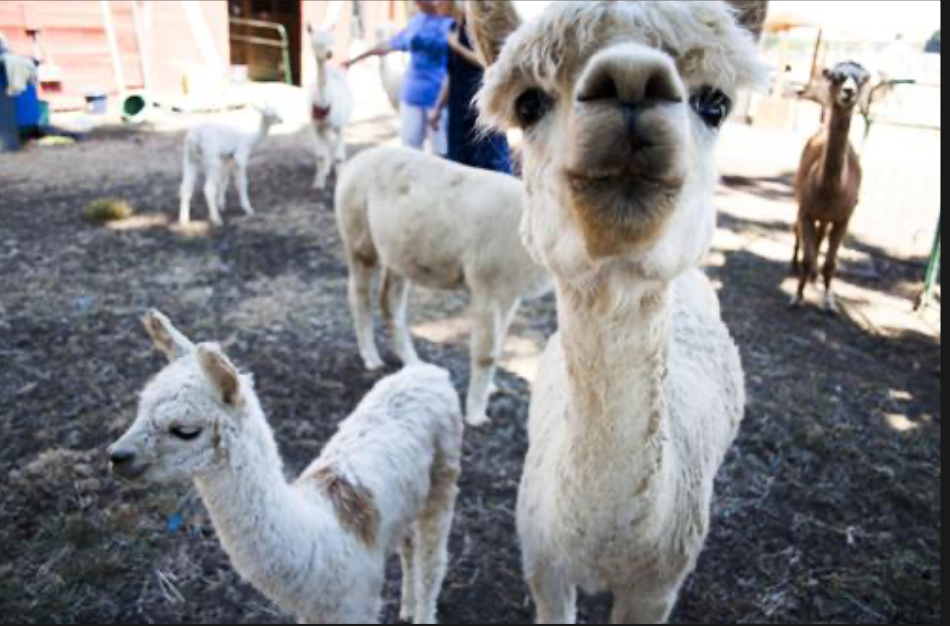
This workshop at Hum Sweet Hum was so much fun. This alpaca farm is full of loving cuddly alpacas, and a couple of cute baby alpacas.
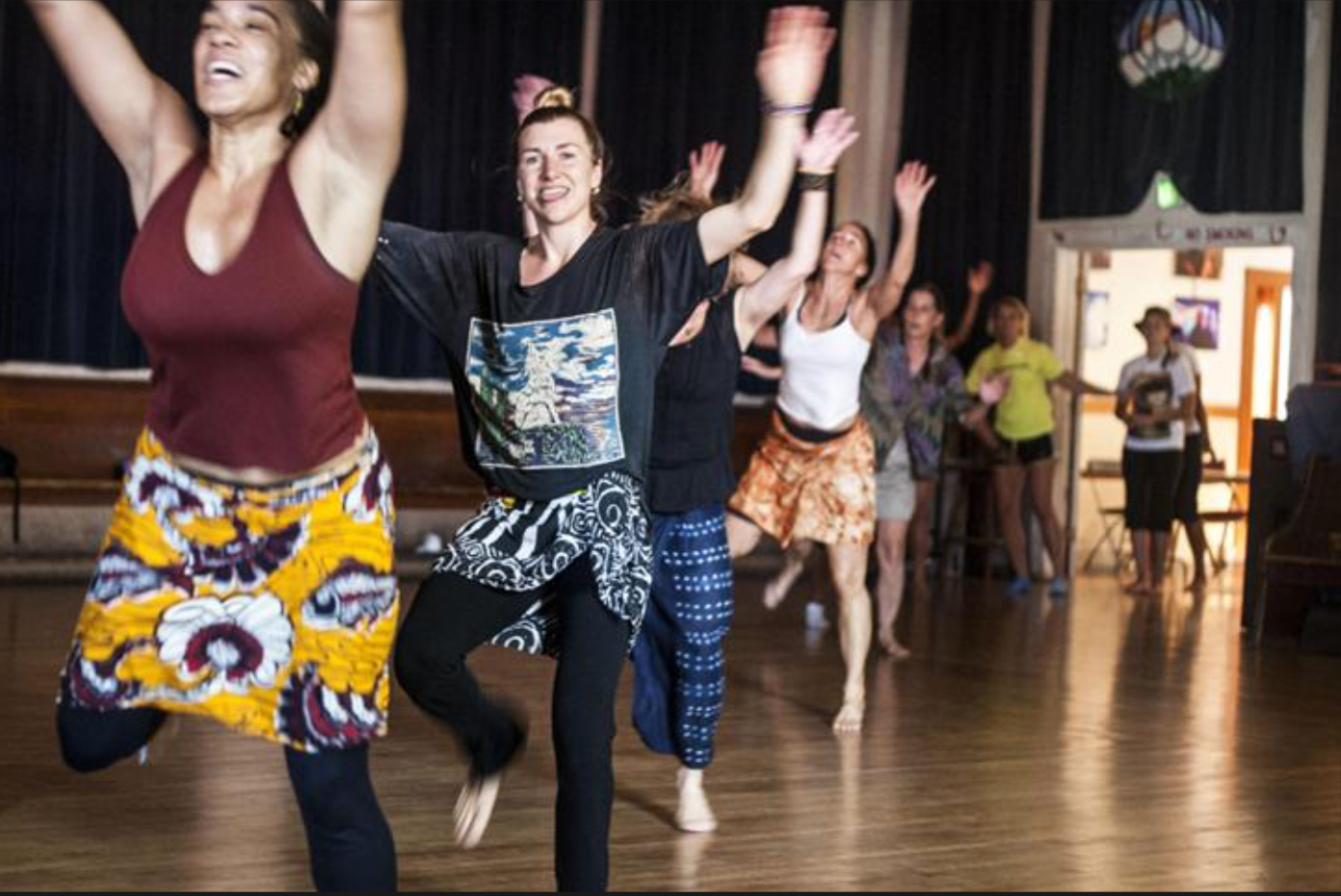
This photo is from the African Dance Class taught at the WOW Hall. Alseny Yansane has been teaching and performing for 14 years. The class is really physical and tons of fun, and everyone had a great time.
What are some of the challenges of making something like this happen?
As the popularity of experiential travel grows, so does the demand for creative tourism, and Create! Eugene is seizing the opportunity to expand into this market. Creative tourism, which focuses on the tourism potential of art and art related workshops, has been growing in recent years as cities strive to set themselves apart from other competing destinations. So a big part of organizing this effort was educating artists and organizations about the necessity of marketing themselves to outside visitors. That idea seems to conflict with the local-centric ethos of a community like Eugene, and not everyone loves the idea of Eugene becoming a “touristy” town. But the beauty of an effort like this one is that it inherently resists the generic. We promote such a wide variety of experiences, from plein air painting to culinary arts to half-a-dozen kinds of dance, and each of those experiences is the product of an individual artist or local organization’s unique vision. In that way we preserve the unique character of our community and local culture while inviting others to participate in and contribute to it.
I would love to hear some specific stories or anecdotes.
The best part about this whole process has been the huge variety of artists I’ve interacted with. There are so many amazingly nuanced little corners of the art world, and to be able to peek into those corners, to see and talk to people in what is essentially a process of mastery--to do that on daily basis for the last several months has been more gratifying than I ever would have imagined. One of my earliest interactions in this process, and one that I think set the tone for the overall experience I just described, was with Ruby McConnell, a local performing artist who teaches, among other things, belly dance. My only brush with belly dancing up till then had been at a Moroccan restaurant in Seattle a couple of years earlier, when a belly dancer periodically made her way through the dining room, hovering over tables and generally making everyone uncomfortable. It was such an intensely awkward experience, and it had completely tainted my understanding of what belly dance is. I consider myself an educated and open-minded person, but in this instance I assumed I had experienced something more or less authentic, but not to my I (very haltingly) described this experience to Ms. McConnell, she went on to explain how that style of belly dancing is essentially a hyper-sexualized, gross stereotype of the original art form, and real belly dance is about coordinated improvisation, layered movement, etc. I was genuinely interested in what she had to say, even after (I’m ashamed to admit) I went into the interview expecting the worst. As excited as I had been about this project in the beginning, this experience only heightened it. And I’m not claiming my personal flaws and shortcomings are shared by everyone, but I’d be willing to bet there are a lot of us who rest comfortably on our own presumed open mindedness. Give yourself the opportunity to be challenged. That’s precisely what a project like Create! Eugene offers--hundreds of opportunities for learning and growth.
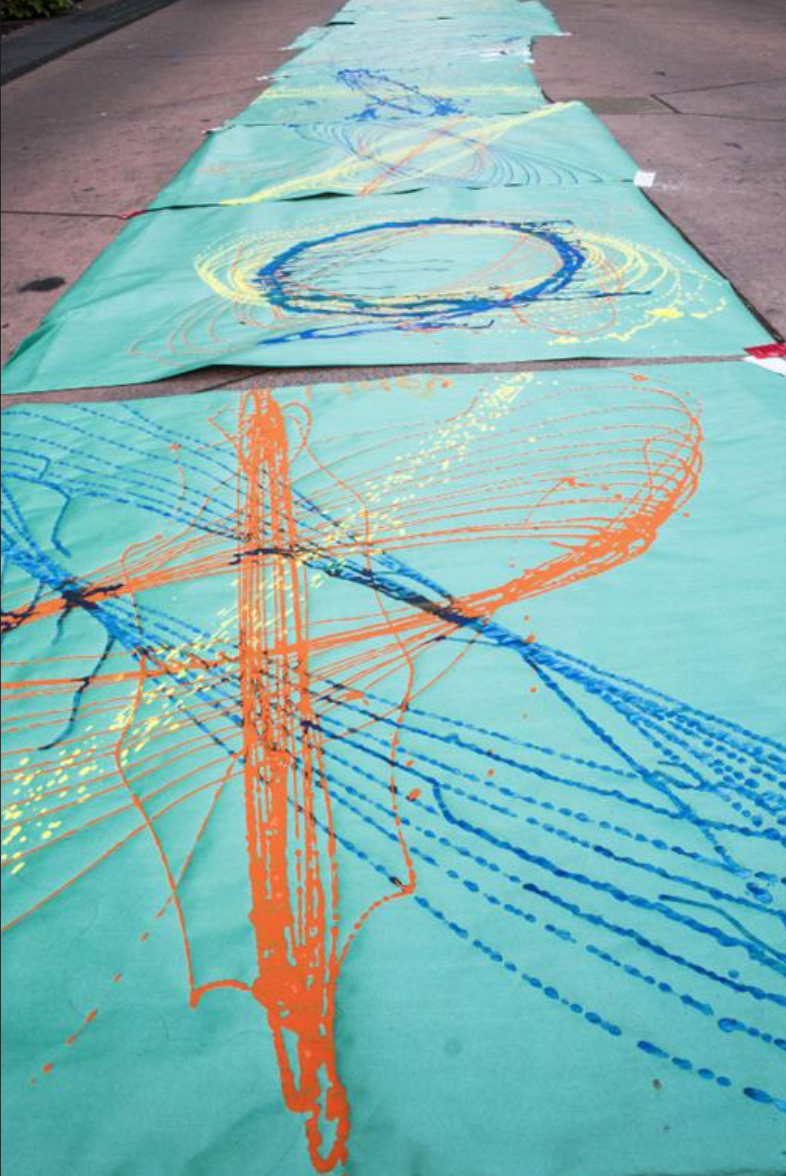
This photo is from the Plein Air Paint Out Event . These works were part of the kids creative stations. Paint canisters were hung on a wire so that participating kids could create these works, and it was so fun to watch!
What was the general reception from participants?
The enthusiasm and support for the project has been overwhelming. It was clear from early on that so many people--and not just artists--have been waiting for an effort like Create! Eugene. Of course there were a thousand little details that we overlooked or didn’t anticipate, and we look forward to gathering as much feedback as possible in order to improve for next year. The reporting process will take some time, but we’ll have a much more objective understanding of the overall response when that’s done.
What would you say its impact on the community was?
Well, as I said, we’re still in the process of gathering that information. From an economic standpoint, we expect the same sort of boost you’d get from any visitor-based industry--increased revenue at restaurants, hotels, etc. And then there’s the additional income for artists, which is so vital--it keeps them employed as artists, producing art, without which we’d have nothing to talk about. And of course there are the intangibles, the intrinsic value of community members excited about participating in their community.
Did any of your work with Create! Eugene affect you personally?
You’d have to be a robot to participate in a creative, community-based project like this one and not be personally affected. I interviewed over 60 artists and organizers in about four months, and, as I alluded to earlier, every single one of them opened my eyes to something brand new--new mediums, new techniques, new philosophies.
The best part was that I realized it was going to be this way early on in the process, and after talking to each person I’d think, “Okay, now I’m open-minded, and I’ll be prepared for the next interview...” only to be completely surprised yet again. It’s been such an educational, uplifting, and humbling experience. Which is ultimately the best plug I can give Create! Eugene: spending time with artists, participating in something communal and creative, and challenging yourself with something new.
What would you say to other communities who might consider putting on a similar event?
Take stock of what you have in your community. Something that is overlooked or undervalued could be the key to revitalizing your local economy. Focus on highlighting the unique and traditional aspects of your local culture, and you’ll be empowering the most creative people around you, people who identify with all that is unique about your community, to spearhead the effort.
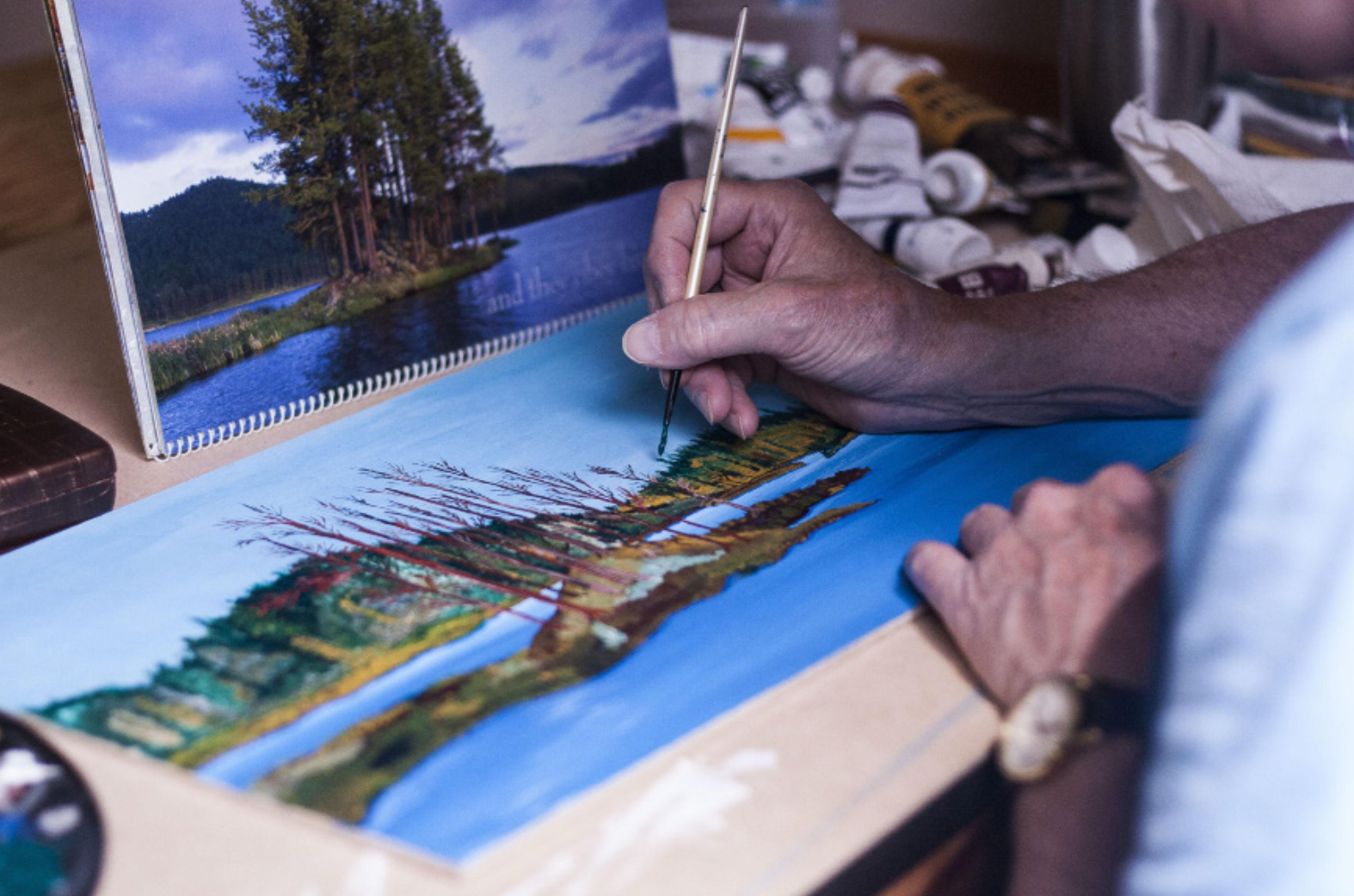
I loved shooting workshops with the Oregon Supported Living Program this summer. They do some really great inclusive workshops, and here’s an example of some participant work.
Create! Eugene is a project of the Arts and Business Alliance of Eugene, ABAE, a 501(c)3 not for-profit charitable organization. Through vision, leadership and service, the Arts and Business Alliance of Eugene is dedicated to enriching the cultural life of the Eugene community by acting as a catalyst for the creation of dynamic partnerships among the arts and business sector.
This project is supported in part by a grant from the Oregon Arts Commission and the National Endowment for the Arts, a federal agency.