A conversation with Siegfried Saerberg
By Maya Muñoz-Tobón
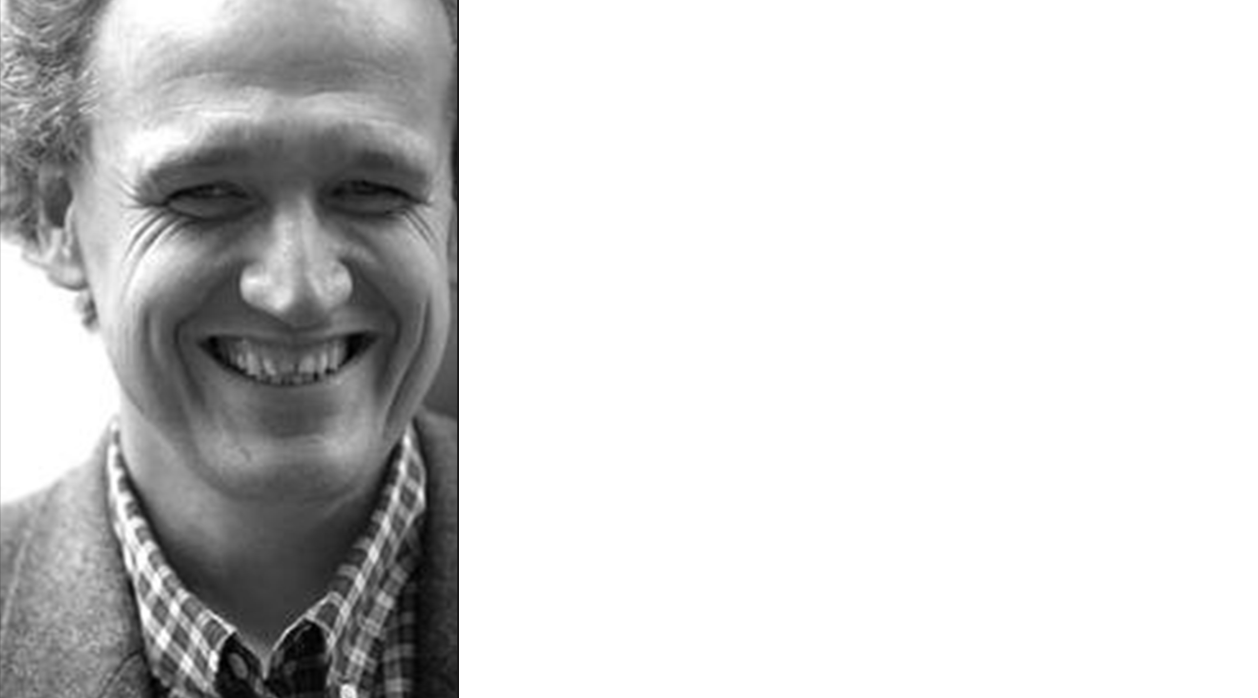
Photo of Siegfried Saerberg
After a few days of trying to coordinate our transatlantic schedules, Siegfried Saerberg and I finally connected on a Sunday morning for a great phone conversation. Dr. Saerberg is a professor of sociology and disability studies at the University of Dortmund, in Germany. Since the early 1990s he and the association Blinde und Kunst (Blind People and Arts) have been organizing sensorially inclusive arts experiences.
During our conversation, Dr. Saerberg, who himself is blind, explained that the work done by Blinde und Kunst has been important in creating more inclusive art opportunities for blind and partially blind artists, and for all visitors to German arts institutions.
The latest exhibition that Dr. Saerberg curated for Blinde und Kunst was held this past May at the BBK (a German professional artists’ association) in Cologne. This successful and significant exhibition followed outreach to blind and partially sighted artists from aro nd the world. About 60 artists from across Europe and the United States were represented. The exhibition included sculptures, installations, photographs and paintings. Most of the artwork was available to be touched and handled. Detailed audio desri ptions of the artwork were carefully recorded. This truly inclusive, multisensory exhibition was seen, heard, and felt, creating a great experience for sighted, partially sighted, and blind audiences alike.
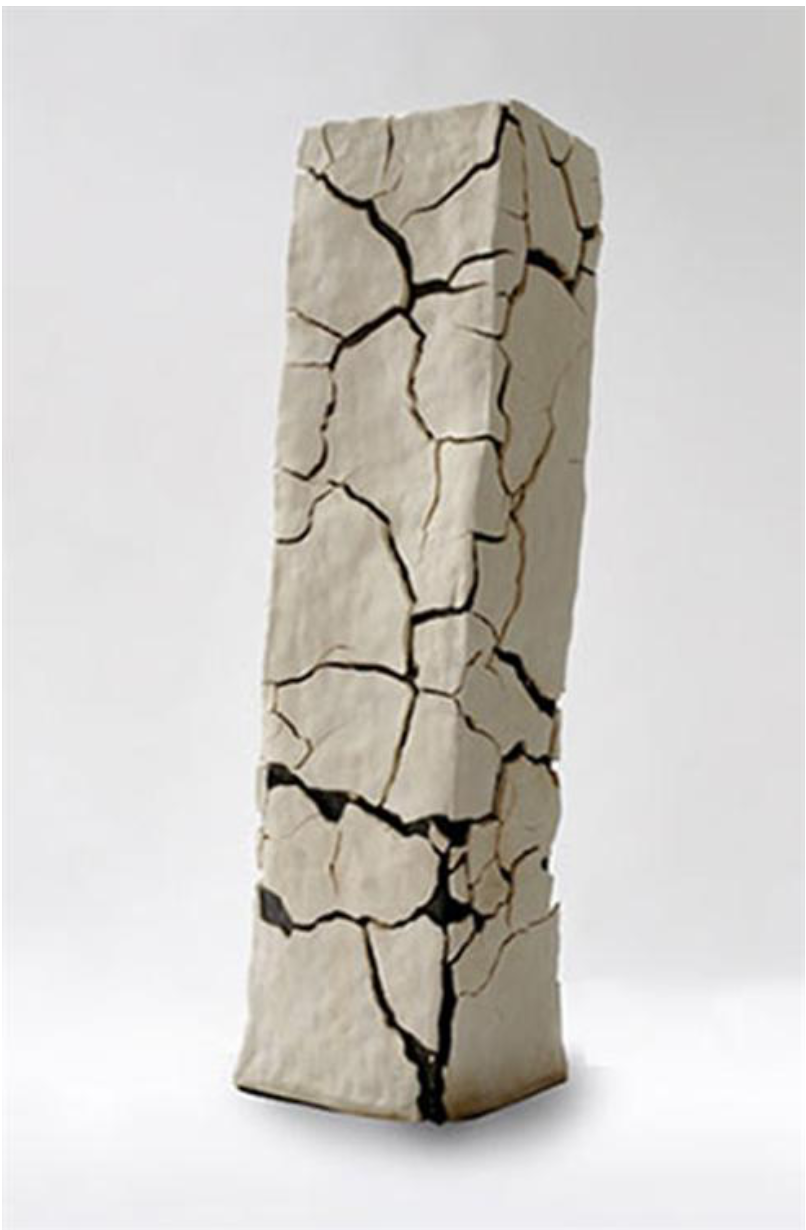
The big cracking Piece, 1999, Ceramic around metal, by blind artist Flavio Titolo. The random patterns on the surface of this sculpture create both visual and textural interest for both a sighted and non sighted audience.
In serving its mission, Blinde und Kunst has also presented lectures, concerts, and art exhibitions held in complete darkness. These experiences have been very popular among both blind and sighted audiences and have brought conversations about multisensory exhibits to many venues, from community centers to established museums. Dr. Saerberg emphasized the importance of traditional and established art institutions to move away from considering works of art to be “sacred” objects that are inaccessible to the nonvisual senses. There certainly exists artwork that can’t be touched, Dr. Saerberg explained, but there are other possibilities to make these works accessible to a blind and partially sighted audience. Art institutions should allow blind and partially sighted artists to participate in the curation process as a way to promote inclusive ideas about the methods of art exhibition.
A lot of effort and progress has been made by many institutions in curating touch exhibits that invite sighted, blind, and partially sighted audiences into their communities. However, voicing a common concern among advocates for inclusion in the arts, Dr. Saerberg said that he would like to see more work on the professionalization of these exhibits, so that blind and partially sighted artists can display their work at the same professional standards that are applied to artists exhibiting in visual settings.
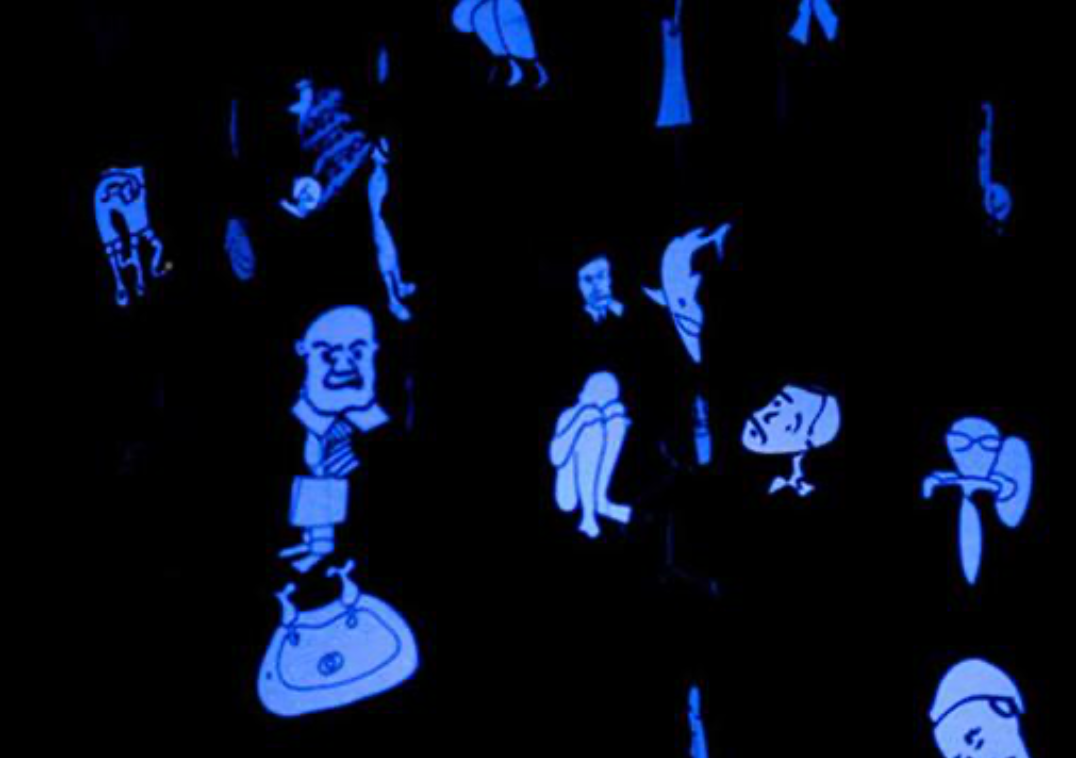
A Boy’s Own Story, 2007, Installation of sketches, ultraviolet light, and string by partially sighted artist Jonathan Huxley. Jonathan’s eye condition makes him very sensitive to light, making it hard for him to even leave his house. He creates artwork in a dark room with unltraviolet lights and fluorescent paint.