Day Sees the Light: A Retrospective of a life
Written by Andre Le Mont Wilson
Hi, My name is Day. I am a beginning artist. I draw and paint cartoon characters and pictures describe personalities of artists of classical art. I also craft toys from fabrics and create posters and frameable sketches. Some of my artworks are for sale.
Day Morrow’s DeviantArt journal entry, May 13, 2013
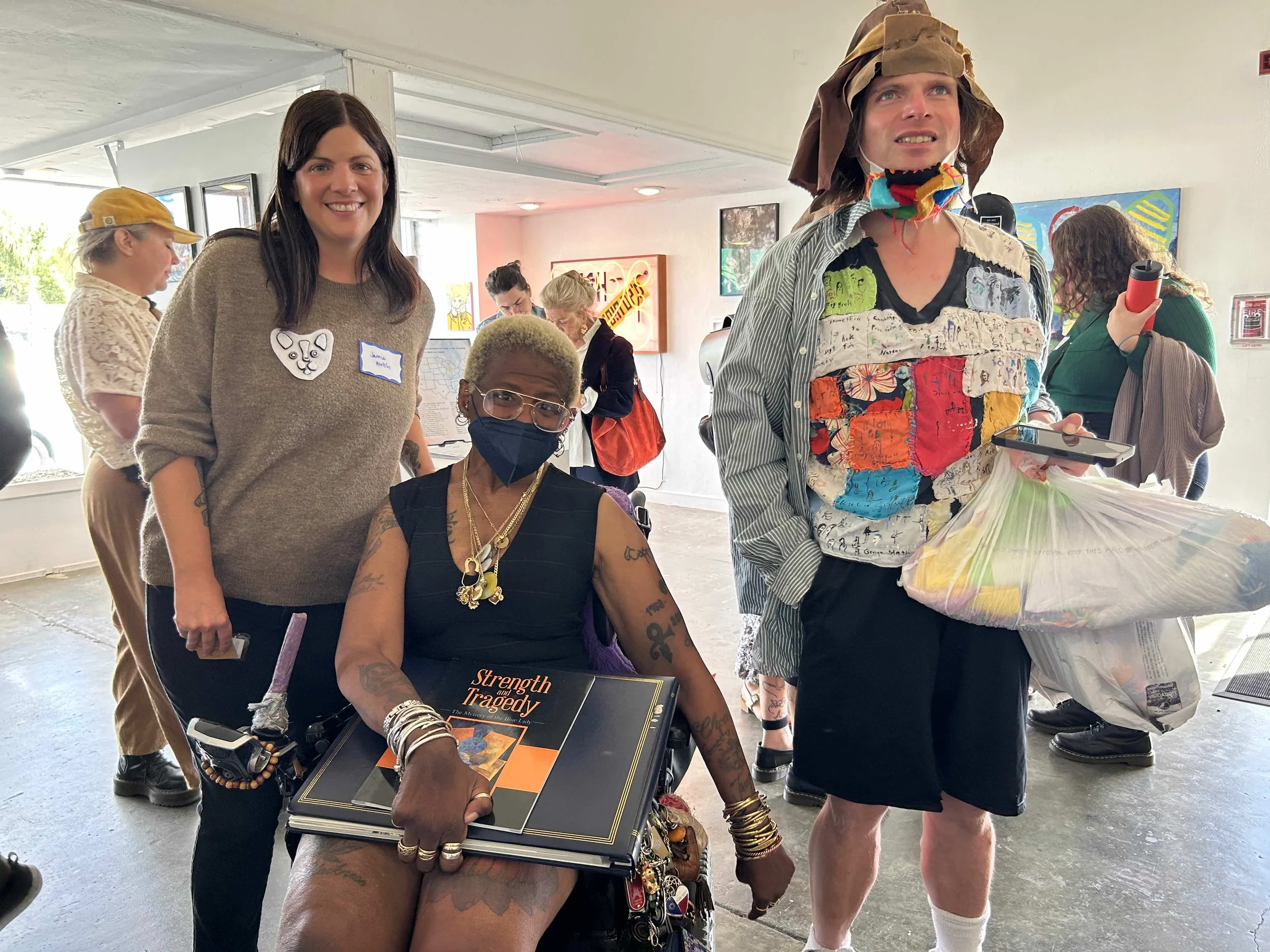
Fig. 1, Jamie Walsh, Monique Harris, and Day Morrow (right) at a NIAD Art Center opening reception, October 14, 2023
In April 2024, Jamie Walsh, a facilitator of Quickest Flip Magazine, an inclusive art publication, contacted Day Morrow with an offer to interview him for its Artist Spotlight in this issue (Figure 1). Diagnosed with Asperger’s Syndrome and autism, Day gladly accepted and was looking forward to his first interview in an art journal, but died on May 15, 2024, at age 44, before the interview began. As the Cornerstone Small Business Development Center supervisor at Ability Now Bay Area, an Oakland day program Day attended during the last six years of his life (Figure 2), I will do my best to speak on his behalf, and I started by letting him speak the first words in his retrospective.

Fig. 2, Andre Le Mont Wilson
Wig by Day Morrow
Photo by Devin Jacobsen
David “Day” Morrow was born in California on July 24, 1979, under a different birth name, which he later changed. Both of his parents played critical roles in his development as an artist. His mother made quilts—a technique Day later adopted in his art—while his father became his conservator after his wife’s death.
Day was beginning to become known for his painted, patchwork T-shirts on rock and roll themes, but his closest friends only discovered other sides of him after he died and left behind thousands of pictures and artworks, questioning how close they knew him. As his friend Monique Harris said, “We didn’t really know him.” These items reveal the intersection of autism and artistry in an individual who created his unique art style. There will never be a retrospective of Day’s complete oeuvre because of the destruction of much of his art. His case manager told me that Day was so prodigious as an artist that he filled his house with bags, boxes, and piles of art. Because of his obsessive-compulsive disorder, he would not part with a single item without having a tantrum. Knowing how to navigate his son’s condition, his father devised a plan. “We’re going to put all your art in these plastic storage bins and store them outside behind the house for safekeeping.” Day agreed and carefully packed away his art. Once finished, his father showed him the wall of stacked storage bins, assuring him they were safe.
But when Day wasn’t looking, his father threw away several bins. Day looked at the stacks of bins the next day and didn’t notice anything missing. His father threw away a few more bins. Day looked at the stacks of bins the next day and didn’t notice anything missing. His father continued until he had tossed all the bins without a tantrum from Day, who rechecked the empty wall behind his home for some time until he forgot what was there.
His case manager laughed as she recounted this story. I was horrified. A slow-burning Bonfire of the Vanities probably destroyed Day’s entire artwork from childhood to mid thirties. After I recovered somewhat from my shock and grief over his death, and his brother, Daniel Martinez, graciously donated Day’s art to Ability Now Bay Area to benefit its participants, I asked his supported living case supervisor, Robert Franklin, to bring every art item from Day’s home to our agency for storage, sell, and exhibition. Often, when a person with a disability in supported living or a group home dies, and no family claims their possessions, caregivers give or throw everything away. I did not want to risk seeing that happen to Day’s remaining art. Every time I make a discovery in this treasure trove that may take months to sort, I feel grateful that many of the works from the last decade of this remarkable artist exist.
Between October 10, 2012, and July 28, 2023, Day posted over 2,000 photos on DeviantArt, an online community where members share art. Sketches and selfies, food and family, cartoons and caricatures abound in Day’s account, but his photo studies reveal a unique perception and hypersensitivity. In “Dim Easter Island Laundry Soap Bottles” (Figure 3), he took empty laundry detergent bottles, noticed that the long handles resembled the long noses of Moai sculptures, drew smiles and eyes on the bottles, and arranged them along a fence at night to replicate the row of monoliths at Easter Island. “You can simulate landmarks out of ANYthing,” he had titled his first iteration of this study on November 3, 2014. Day made art out of anything.

Fig. 3, Dim Easter Island Laundry Soap Bottles, November 24, 2014
Day was a rapid sketch cartoonist. But when he slowed down, he created stunning cartoons. In “Nuts an Fruits Dere” (Figure 4), he used pencil, pen, and watercolor to portray a panicked tourist from New York in San Francisco. Smiling, laughing fruits and nuts intermingle like trail mix. There’s a slice of watermelon dancing to a boom box and a hippie apple high on drugs.
The tourist raised his hands in confusion and said in a Brooklyn accent, “What’s wrong with these people ’ere? A buncha nuts and fruits dere!” This oft-repeated comment caricatures San Franciscans as being nuts and fruits— crazy, gay, or both. Day wrote in the comment that he based his cartoon on a saying from a one-time friend of his father in the 1980s. He dedicated this cartoon “For You Dad and Frank.” It is one thing having Day’s case manager tell me that his father was gay. Having Day illustrate it with love, humor, and creativity is another thing.
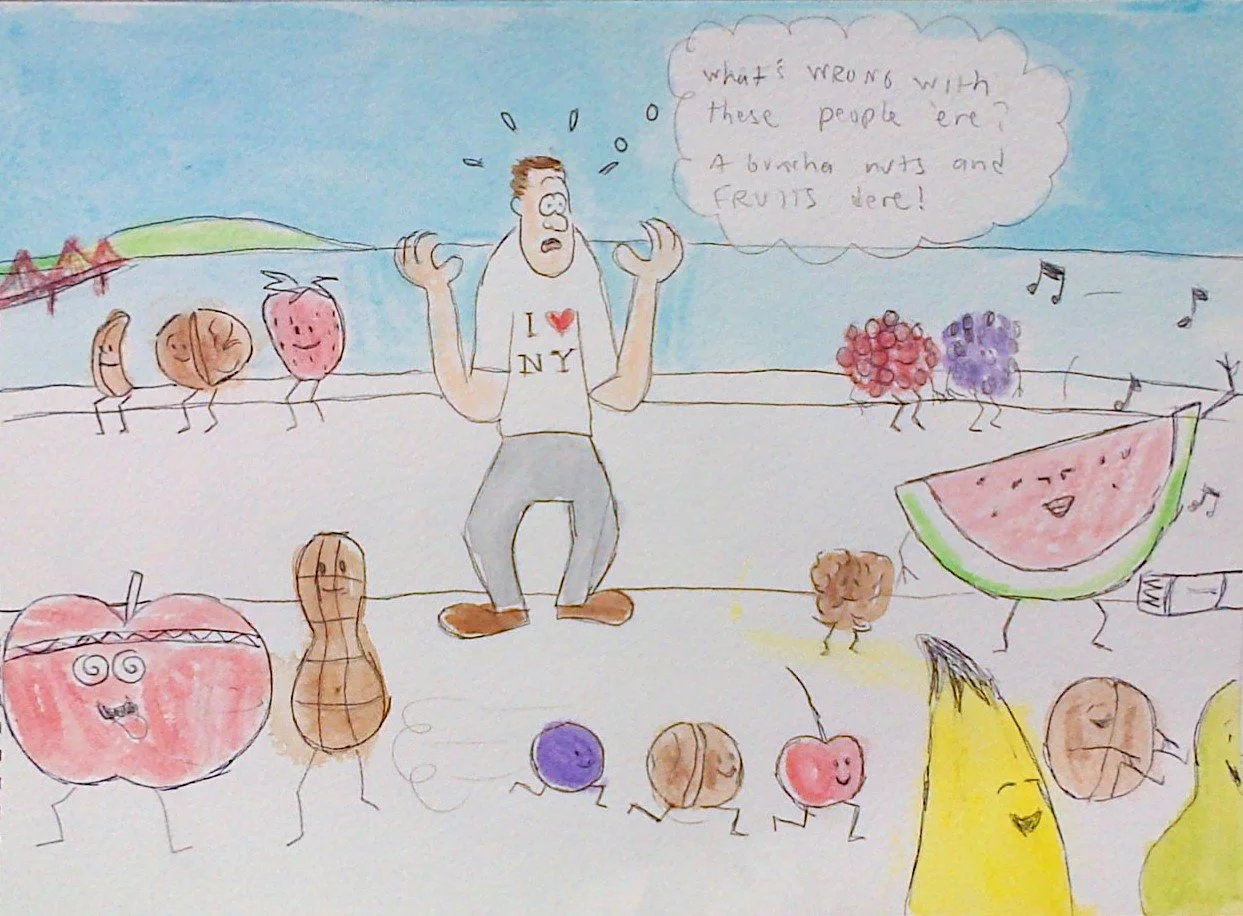
Fig. 4, Nuts an Fruits Dere, February 5, 2015
Day said in his journal entry, “I also craft toys from fabrics.” Reviewing his photos of handmade plush dolls, which can be life-size, a pattern emerged. Most dolls were male cartoon characters often engaged in various levels of intimacy. He posed life-sized dolls of Darkwing Duck villains Elmo Sputterspark, the rat, and Bud Flud, the dog, having sex in the seven-photo series “Elmore and Bud Au Naturale” (Figure 5). He did not sew male anatomy on them. He positioned their heads, limbs, and bodies to imply sex without showing it. Calling his male couplings “bestbuds,” he yearned for friendship and intimacy as he explored his sexuality. When Disability Justice Bay Area asked how he identified himself, Day said, “Well, I’m definitely not straight.” Given his autism, he might have found it challenging to “find somebody to love,” as Freddie Mercury of Queen would sing.

Fig. 5, Elmore and Bud Au Naturale, March 7, 2018
By his mid-thirties, Day’s long red hair began to thin at the top. For a while, he addressed the problem of his receding hairline by doing a combover and wearing a hippie headband to affix in front of his head the hair that remained on the back and sides. But even this was a losing battle, and he would eventually switch to wearing a dome cap to cover his bald scalp. A good toupee could cost $1,000— beyond the reach of a person on SSI.
Day’s hair loss inspired his signature look. He created wigs out of yarn, felt, and other materials, making himself resemble a white Rastafarian with dreadlocks. He took hundreds of selfies as he tried on wigs, telling people online and off that he replicated in textiles the various hairstyles of Freddie Mercury from his album covers and videos (Figure 6).
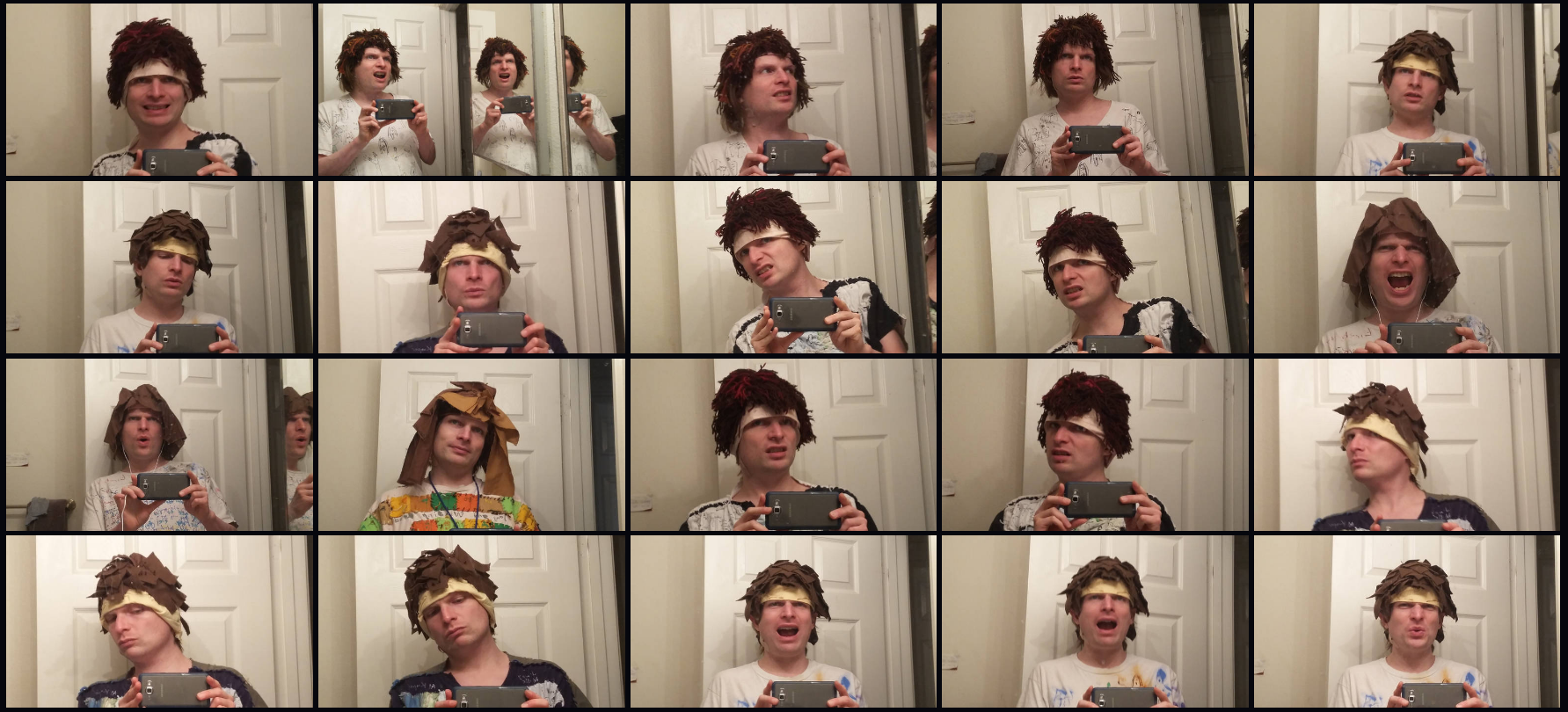
Fig. 6, Wigs, October 1, 2017
His best wig was his first and had nothing to do with Mercury. “Day Sees the Light” (Figure 7) is from three pictures he took beneath a gas station light. He wears a bridal veil headpiece that he had chopped and dyed brown, blending with his natural hair. He blocks his brows, powders his face, and rouges his cheeks. His look is decidedly feminine as he resembles a pale Marie Antoinette with a frizzy bouffant. His blue eyes stare straight at the camera, surprising all who knew him but never saw him the way he wanted people to see him.
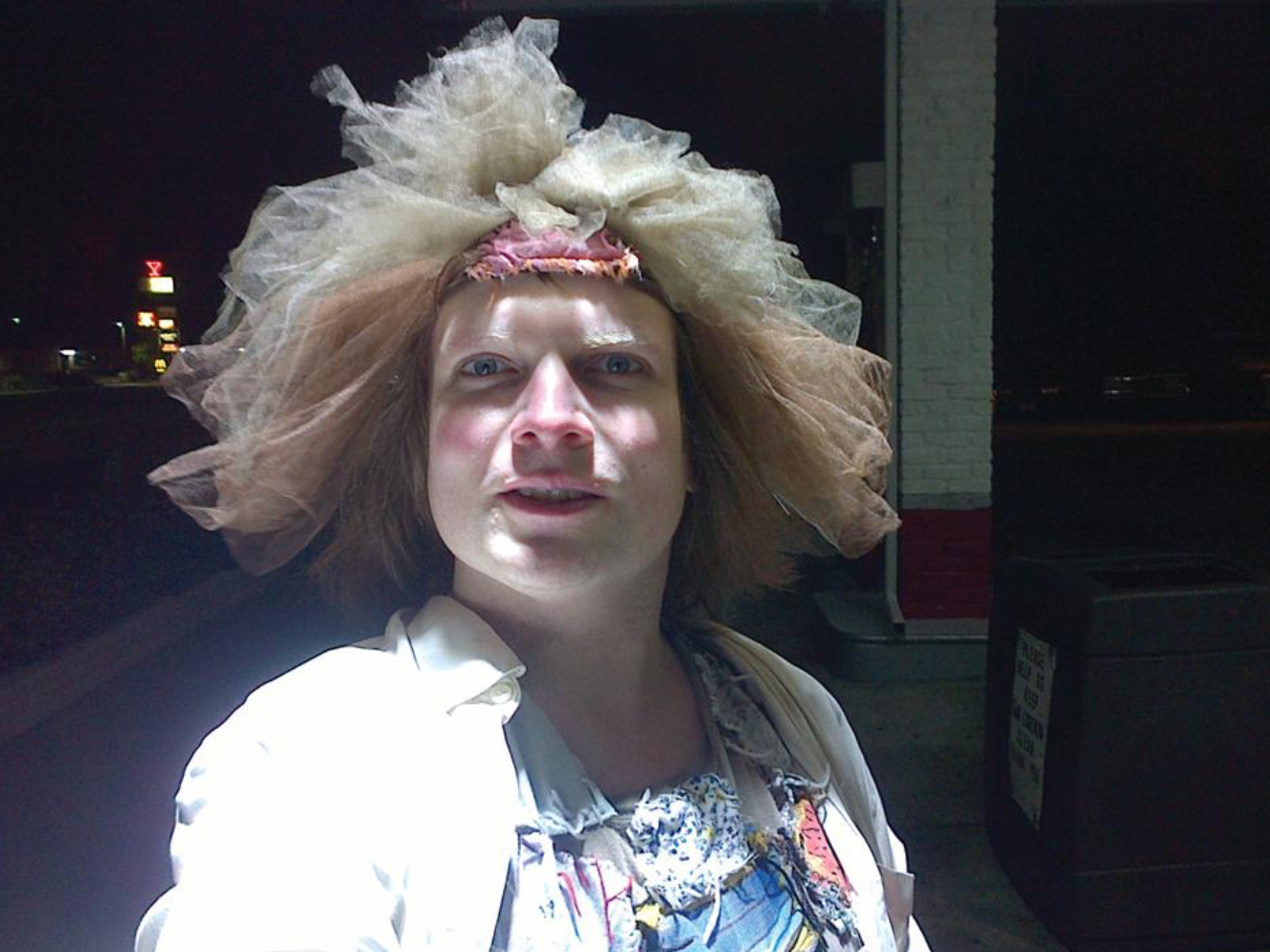
Fig. 7, Day Sees the Light, April 30, 2015
Day was beginning to become known for his patchwork and hand-painted T-shirts. Displaying his encyclopedic knowledge of rock music, each panel of the shirt “September 1975 Eagles ‘Take It to the Limit’” portrays a band musician playing his instrument on that song (Figure 8). Day also paid homage to the music of September 1975, which is why he wrote “John and Yoko” beneath the Eagles’ name on the sleeve. He used an assortment of fabric, from felt to tie dye, and stitched the jagged patches together with loose, dangling yarn resembling the straw sticking out of a scarecrow.
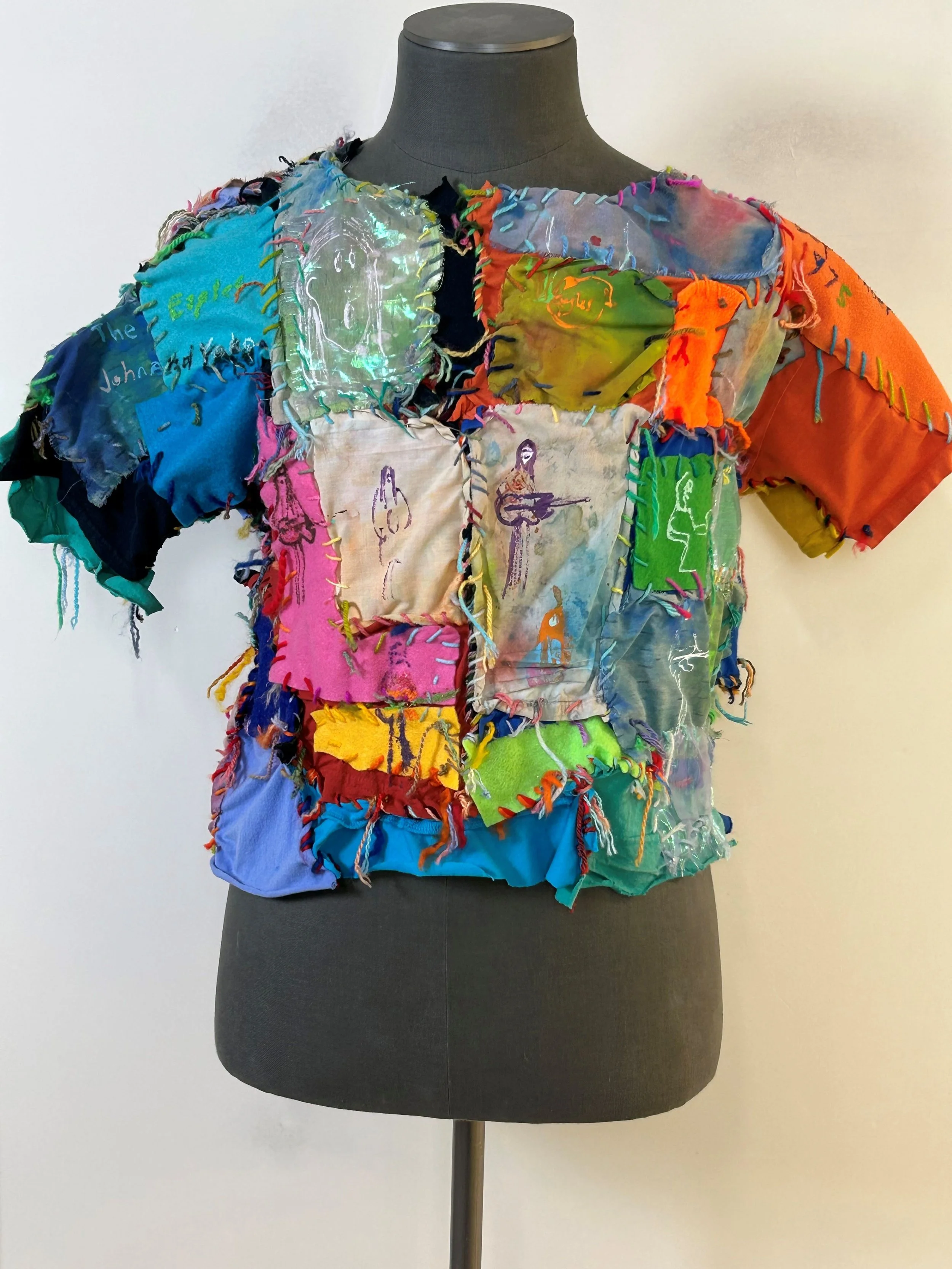
Fig. 8, September 1975 Eagles 'Take It to the Limit'
When wearing his own patchwork shirts, Day wore matching patchwork clothing and accessories. He even affixed strips of colored felt to surgical face masks according to the holiday, for example, red, black, and green for Black History Month. His shorts were something else. One pair consisted of the parts of five different shorts he cut up and reassembled like a puzzle, using the existing holes in the mesh material to thread his needle. On another pair of shorts, he used felt appliqué. Combined with his wig, the shirts, mask, and shorts gave him a court jester appearance (Figure 9).

Fig. 9, Day Modeling His Patchwork Clothes, June 29, 2023
On Saturday, May 11, 2024, Day texted that he lost vision on the side of his left eye after painting T-shirts outside in the sun the previous day. I called to tell him to go to the hospital. He said he was waiting for an optometry appointment. On Sunday, he texted:
Hi Andre, My left eye vision should be returning to normal. On blues Fleetwood Mac shirts. I’d just finished another copy of one of the Peter Green shirts that I plan to use for business. I think I’m half done with the Jeremy Spencer one. I hadn’t started on the Danny Kirwan one yet.
Day died the following Wednesday; the doctors found a mass around his heart. I did not realize until I cleared his computer files and discovered a picture of his prescription bottle that he was taking atorvastatin to reduce his risk of strokes. He was 44.
The “Danny Kirwan” shirt is among the final shirts Day created (Figure 10). Using a white T-shirt as a canvas, he applied fabric paints and pens to display pictures and information on the Fleetwood Mac guitarist Danny Kirwan.
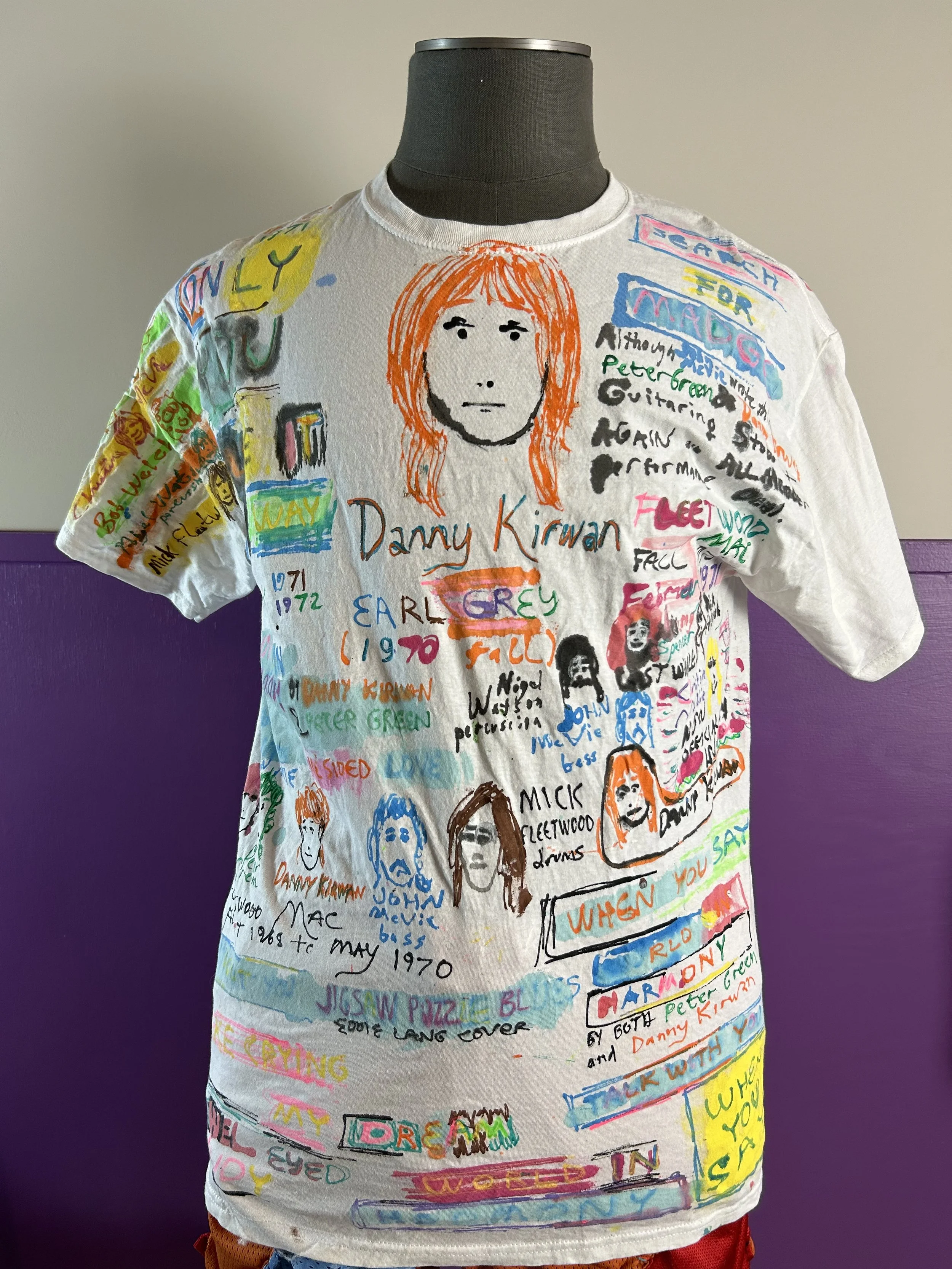
Fig. 10, Danny Kirwan, May 2024
Instead of doing a preliminary sketch on paper, he spent months compiling information on a color-coded spreadsheet—who Kirwan played with, which songs he played on, etc. Bold, colorful text and images cover the shirt. The effect is as festive as a circus tent.
A colored pencil sketch for an earlier shirt made me wonder how Day would have looked had he lived to old age. On March 24, 2020, after his program closed due to the COVID pandemic, he sketched a casualty of the AIDS pandemic, “If Freddie Mercury Lived Long” (Figure 11). He imagined a wrinkled Mercury as a bald man wearing a floral Hawaiian shirt, a tie-dyed headband, and orange shades. In the background, he sits on a chair, surrounded by cats. Perhaps Day was wondering how he would look if he survived COVID. He would later contract it several times, leaving him weak and with a chronic cough.

Fig. 11, If Freddie Mercury Lived Long, March 24, 2020
If Day had lived, you couldn’t determine his age because he looked younger than his years. You couldn’t tell he had gone bald because he would still wear those wigs, although he would swap the brown wigs for the multicolored ones of his final designs. He would still wear those appliqué shorts above knobby knees and a patchwork shirt on a thin body.
More important than how he would have looked is how the world would have received his art had he lived a little longer. In the last months of his life, he sold T-shirts at Makers Paradise in Reno and greeting cards at Helpers Artisan Boutique in San Francisco. Jelly Bucket accepted a photo of his “Helter Skelter” shirt for publication in its Neurodivergent Voices issue. Quickest Flip asked to interview him for its Artist Spotlight in this fall issue.
Once, I took Day to an opening reception of an exhibit that had rejected his work. But because of his fabulous clothes, the photographers mistook him for a star artist and took his picture. Day basked in the spotlight, but the photographers drifted away when they learned he wasn’t in the show. I leaned in and told him, “One day, you’ll have your own opening reception. People will come to see you.” His face lit up as he smiled and said, “Yeah.” He could see it because he knew it was going to happen. Now, the dreamer and the dream are gone.
Day rattled off information on rock bands, singers, musicians, and songs from the sixties to eighties. But when it came to the deaths of rock stars, he seldom used the D word. Instead, for a band like Chicago, he would lower his voice and whisper, “Terry Kath—he’s in Heaven. Laudir de Oliveira—he’s in Heaven, too.”
I wanted to ask, “Day, how come you’re so sure that all rock stars go to Heaven? Didn’t they do a lot of drugs, sex, and rock ‘n’ roll? How are you sure there’s even a Heaven?”
He might have answered that the people who bring us joy, whether by a catchy tune, a thumping beat, or fabulous fashion, deserve their own special place. There, that joy would go on in a celestial jamboree. As long as we remember and celebrate the joy they brought us, they live in us and do not die.
With the title of his seminal self-portrait, I close this retrospective, “Day sees the light.”
I met Day and saw a fascinating person I wanted to get to know. I love him for his style and being himself. I wish he were still here so I could tell him how much I appreciate him. --Monique Reneé Harris
Day is the first person I have ever met who was “in the zone” on a daily basis! His passion was music and helping others appreciate the connections and people involved in this artistic field. He will always be missed! --Peggy Harkanson
Day was an amazing artist with a style that combined music and visual art to create a unique clothing line. --Larry Silva
His encyclopedic knowledge of rock music, glam rock, film, television, and popular and obscure cartoon characters come together in loose and figurative paintings on paper and on t-shirts, both used and handmade. His work is a product of obsession and love-- expressing externally his knowledge/interests through the depiction of recognizable names and faces placed in elaborately created environments and scenarios. –-Chris Bonfiglio and Dale Dutton
Day was a kind, sweet, intelligent contemporary artist who will be missed. --Chris Scott
Day Morrow was a participant in the Cornerstone Program at Ability Now Bay Area, a 501c(3) charitable organization offering services and support to adults with physical and developmental disabilities. The program's Small Business Development Center, staff, and resources facilitate the creative growth and entrepreneurial goals of ambitious individuals like Day. For more information on Cornerstone and other programs at Ability Now, visit www.abilitynowbayarea.org