Le Shed: From Shed to Shared Space
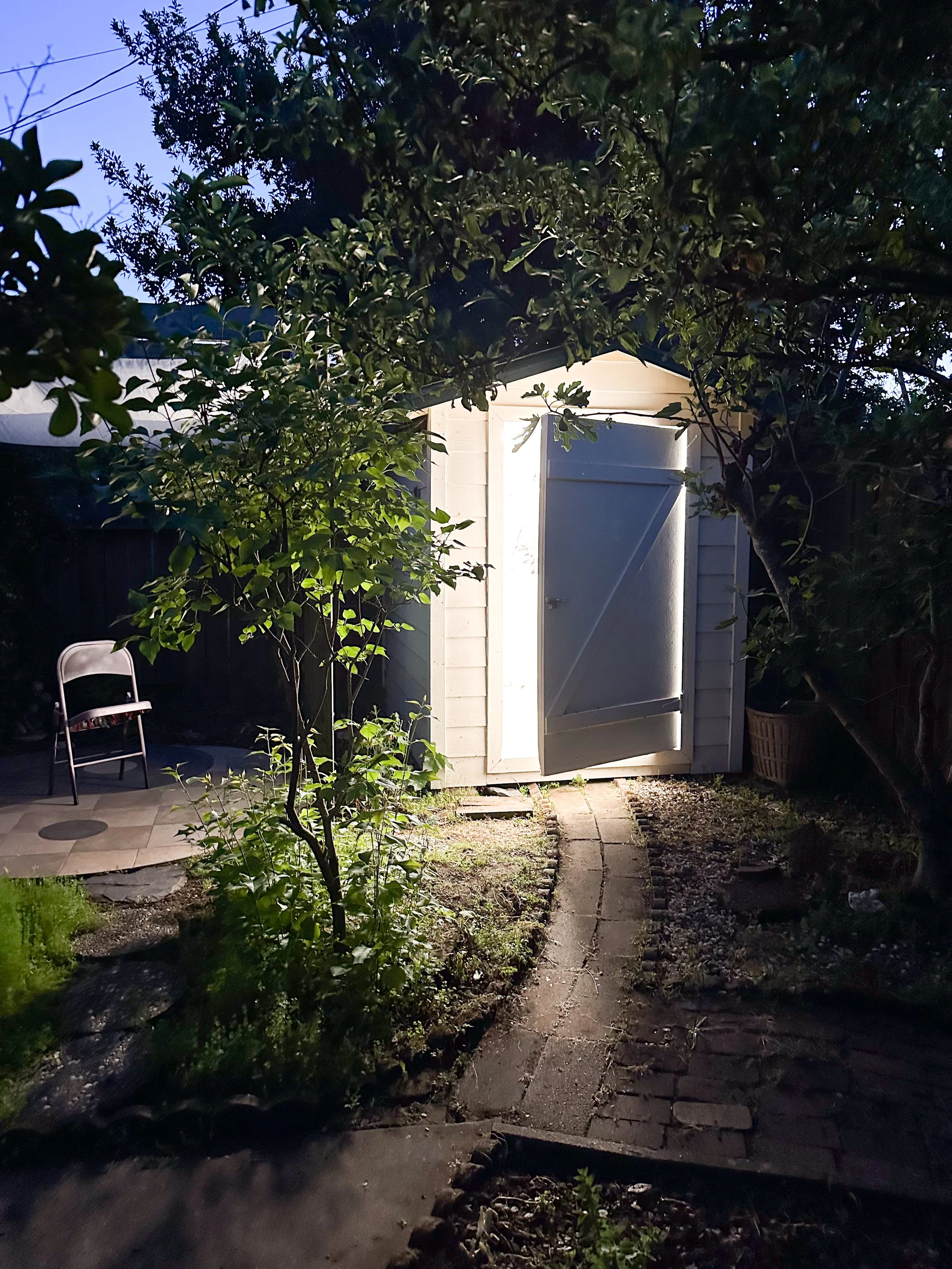
Le Shed during Lee Materrazzi’s exhibition
Tucked into a backyard in Santa Rosa is one of the Bay Area's most unexpected exhibition spaces. Le Shed may be small in size, but it's become a welcoming place where artists, neighbours, and art lovers gather to experience contemporary work in a setting that feels refreshingly personal.
The idea grew from conversations around the dinner table. As arts funding disappeared and galleries across the country began closing, founders Heike and Perry found themselves asking a simple question: What can we do? The answer was sitting in the corner of the yard. With a little imagination, a generous landlord, and a shared desire to bring people together, an ordinary shed became an artist-run gallery rooted in community rather than commerce.
We spoke with the founders about how Le Shed came to be, what they've learned along the way, and why alternative spaces like this feel more important than ever.
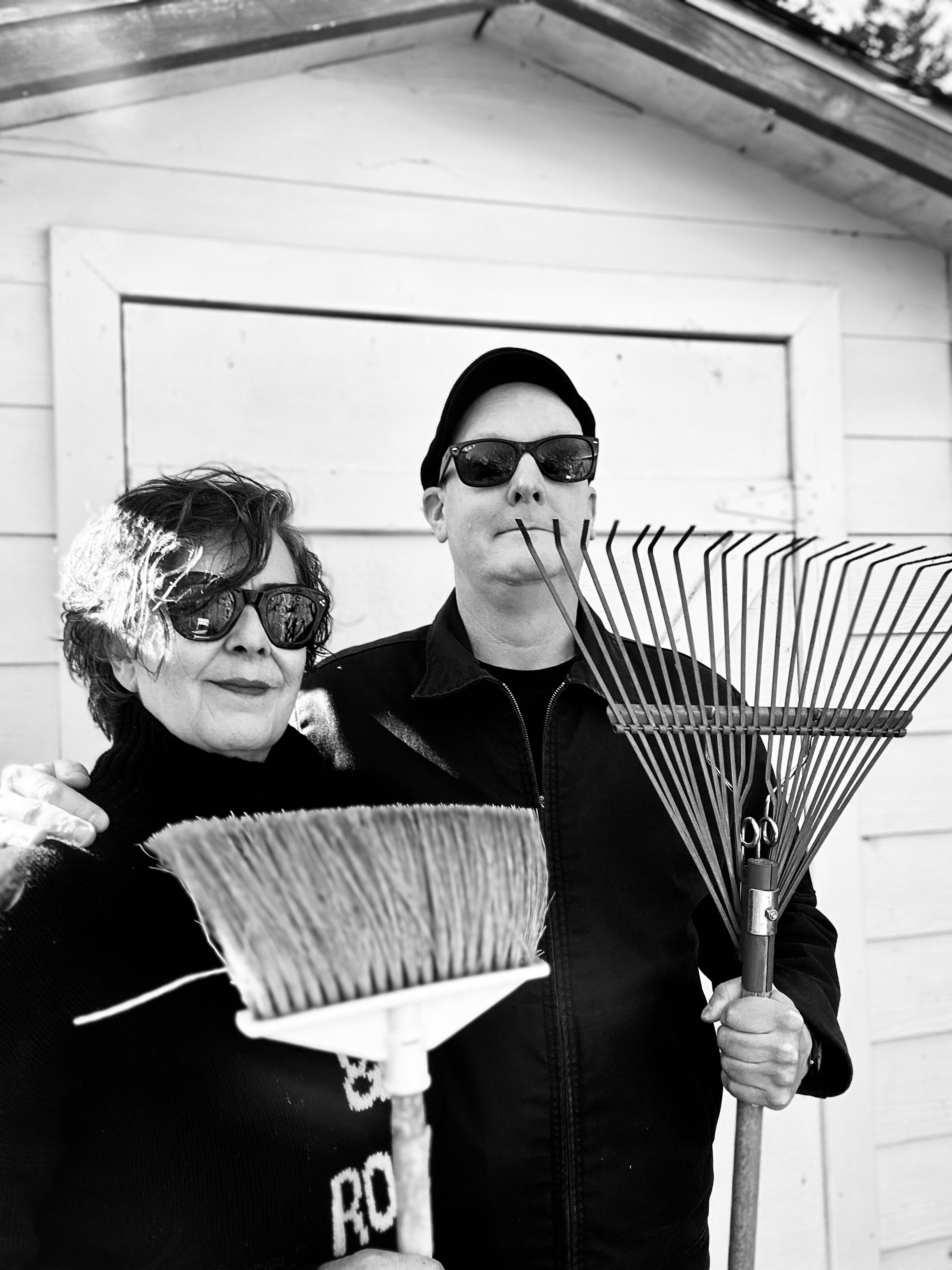
Le Shed is co-run by artists Heike Liss and Perry Doane
Q+A
Where did the idea for Le Shed come from?
Heike had been hosting a series of artist dinners called Jour Fixe in her backyard during COVID, and they continued well after the pandemic. Around that same time, the NEA began announcing funding cuts, and galleries and art spaces across the country were closing.
One evening over dinner, we started talking about what we could do in response. I noticed the large shed in the corner of the yard and asked whether it might work as an exhibition space. Heike spoke with her landlord, who is also an artist, and we started making plans.
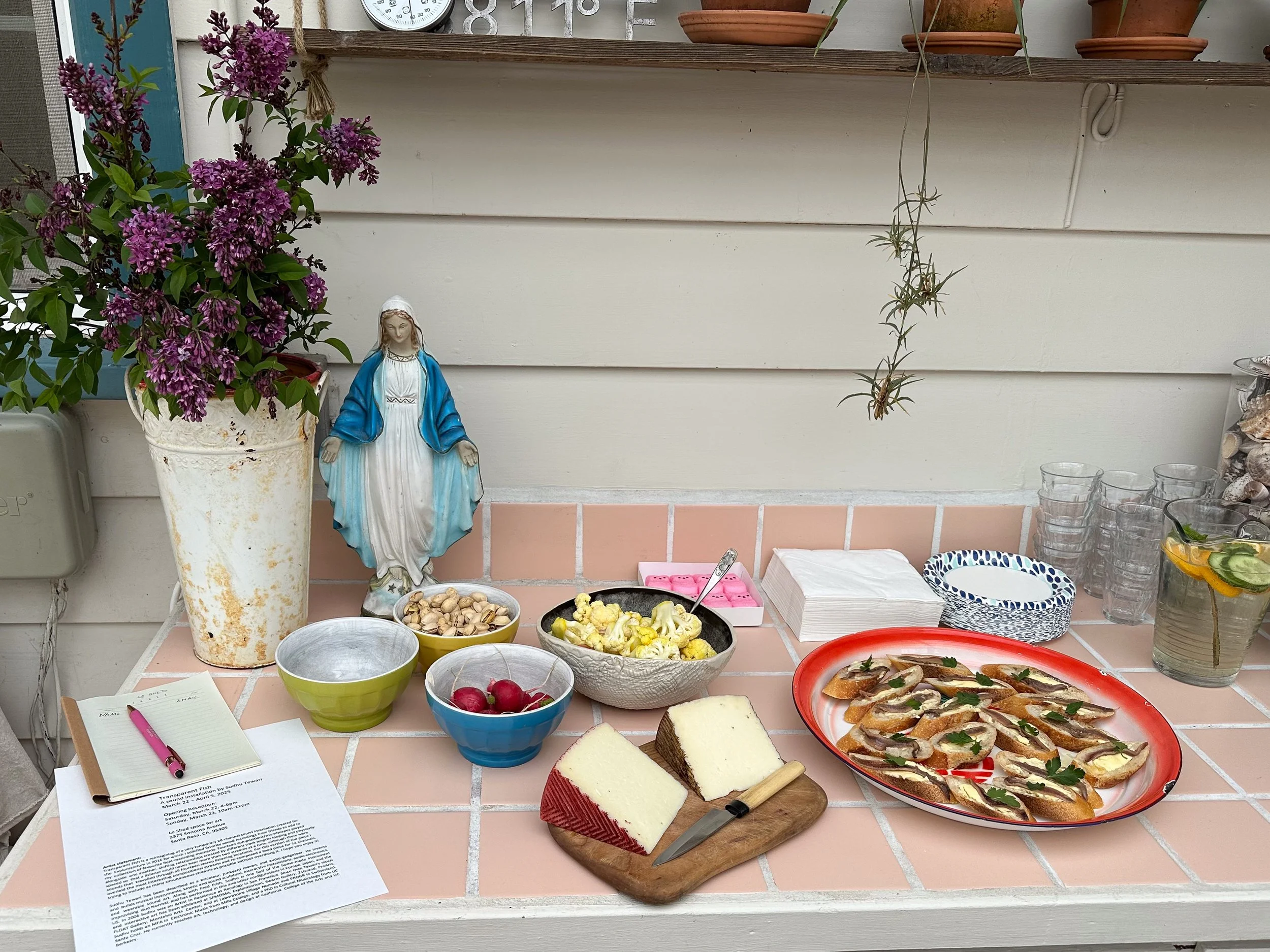
What appealed to you about working with such a small, unconventional space?
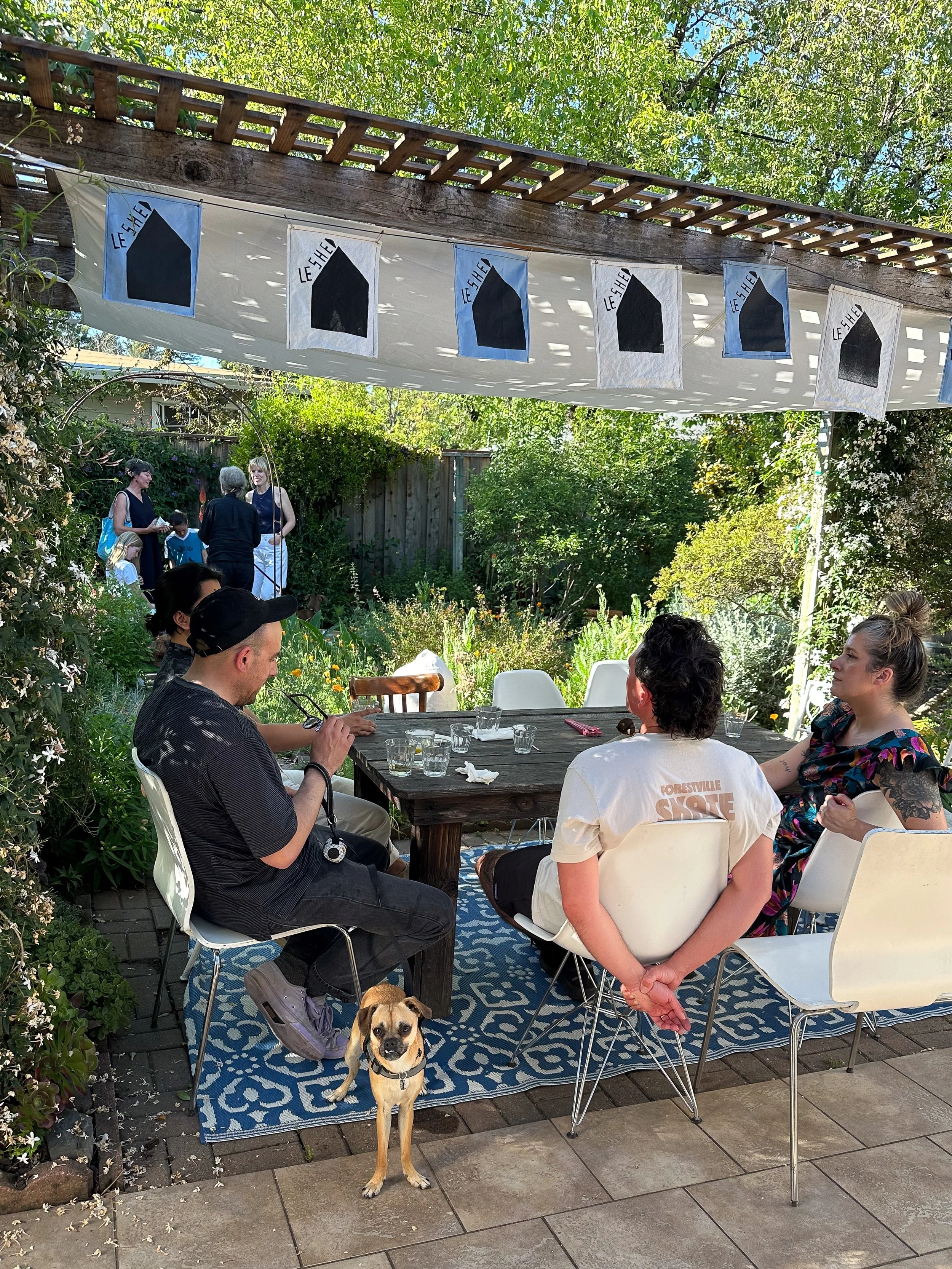
We simply used what was already there. It didn't require much beyond a little paint, some building materials, and food and drinks for opening receptions and artist dinners.
Was Le Shed always intended to be a public gallery?
It was semi-public from the beginning. Since it's located at Heike's home, we only share the address with people attending exhibitions, but everything else about the project, including our online presence, is completely public.
How would you describe the curatorial vision behind Le Shed?
We're pretty open, as long as the work feels personal, fun, and full of life.
What makes you say yes to an exhibition?
The work has to make interesting use of the space. Le Shed is about one-tenth the size of a typical commercial gallery, so every exhibition becomes its own creative challenge.
Beyond that, we like working with artists who will benefit from the opportunity and appreciate exhibiting in an intimate, non-commercial environment.
Does the space influence the artists or projects you invite?
Absolutely. The size and character of Le Shed naturally shape the kinds of exhibitions we present and encourage artists to think creatively about how they use the space.
What freedoms does Le Shed offer that a traditional gallery might not?
Le Shed gives artists a place to simply be celebrated. There's no pressure to perform for sales or representation. It's a safe, relaxed, and welcoming environment.
Have any limitations become unexpected strengths?
Definitely. Because there's no expectation of making money, we've been able to focus on what really matters: how the exhibitions feel and look, and who we choose to work with.
What has surprised you most since opening?
Watching artists translate their work into such a small space has been a joy. The garden setting and artist dinners have also created opportunities for intimacy, connection, and long conversations between artists, visitors, and ourselves.
How has the Santa Rosa arts community responded?
Le Shed has become part of a small but vibrant community built around participation and mutual support.
Have there been moments when you realized Le Shed was becoming meaningful to others?
We've been incredibly encouraged and welcomed by the community. That support has kept us going, even without a budget.
What role do you hope Le Shed plays going forward?
We hope to continue creating opportunities for artists and audiences while inspiring others to start their own alternative spaces.
How did opportunities like ATRIUM and the Other Places Art Fair come about?
Mostly through showing up. We attend openings, talk to people, reconnect with old friends, make new ones, and stay genuinely engaged with the Bay Area art community.
Why do you think we're seeing more artist-run spaces?
Funding for traditional arts institutions continues to disappear, and artists are stepping up to support one another. It also feels like a continuation of something that emerged after the pandemic: people are hungry for community.
What do these spaces offer artists?
A genuine sense of appreciation and belonging.
Have you connected with other artist-run spaces?
Absolutely. We've met so many wonderful people and spaces along the way.
Have any inspired Le Shed?
Practically all of them. It's exciting to see people creating opportunities with whatever resources they have available.
What would you still love to do?
One dream is to establish a residency program that brings national and international artists to Santa Rosa to create site-specific work, connect with the local community, and build lasting collaborations and friendships.
Is there a dream artist?
Anyone we'd love to exhibit, we simply reach out to. Every show is a dream show.
How do you hope Le Shed evolves?
We don't really have a five-year plan. Le Shed is a temporary, no-budget, radical hospitality art project. What we do know is that we've proven the concept, and it could take countless forms in the future.
What do you hope visitors experience?
We hope people leave feeling welcome, inspired, part of something, and perhaps with a slightly different perspective than when they arrived.
What does "alternative" mean to you?
As galleries close and institutions struggle, the word 'alternative' has begun to lose its meaning. Artists supporting one another in creative ways simply feels like the path forward.
Could Le Shed exist anywhere else?
Absolutely. Le Shed could be anything. It's simply a concept shaped by our circumstances. We imagine many more spaces, exhibitions, dinners, gatherings, and happenings beyond our humble shed. More than anything, we hope it inspires others to use whatever they already have to create space and bring people together.
Reading their answers, it's hard not to feel hopeful. While many arts organizations continue to navigate funding challenges, Le Shed offers a reminder that creativity doesn't always begin with a large budget or a permanent home. Sometimes it starts with simply making the most of what's already there.
Whether Le Shed remains a shed or evolves into something entirely different almost seems beside the point. The real idea is creating space for artists, conversations, shared meals, and genuine connection. If there's one thing the founders hope people take away, it's that anyone can create opportunities for art and community with whatever they have on hand. That's a philosophy that feels both generous and quietly inspiring.